
Diesel
Diesel Mechanic Certifications: 6 Key Reasons ASE Matters
Diesel mechanic certifications can help you stand out. Explore ASE benefits and how diesel training can help you work toward getting certified.
In This Article
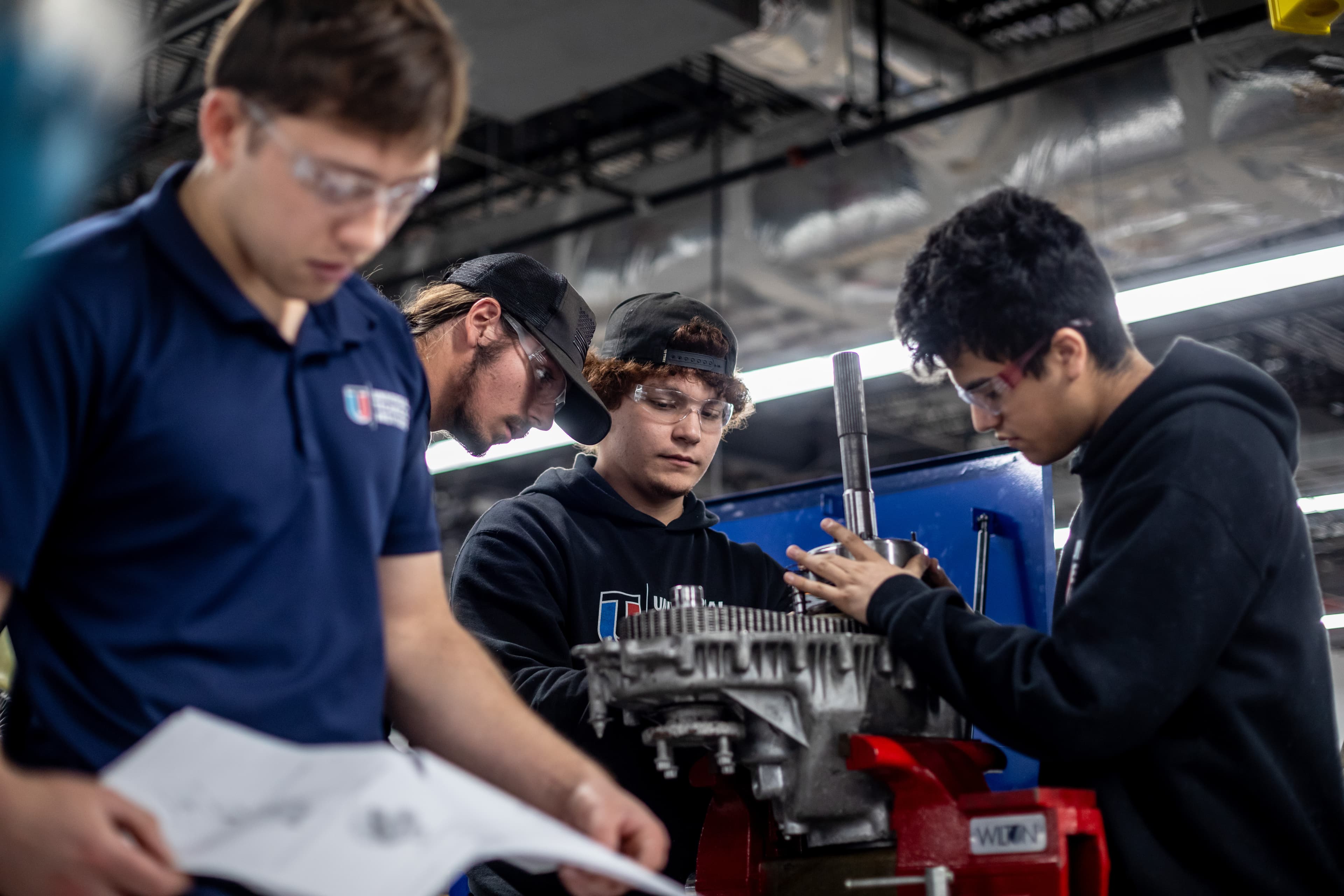
Diesel mechanic training helps build the skills. Certification can help prove they’re career-ready.
That’s where ASE certification comes in. The National Institute for Automotive Service Excellence (ASE) is an independent nonprofit organization that tests and certifies diesel technicians, helping validate their knowledge in specific areas of vehicle service and repair.
Universal Technical Institute’s (UTI) Diesel Technology program is accredited by the ASE Education Foundation, meaning the program has been reviewed against industry-recognized standards for technician training.1,16 Through the program, students can build foundational knowledge in diesel systems and graduates can substitute their training for one of the two years of work experience required to test for ASE certification.
Keep reading to learn what ASE certification means, why diesel mechanic certifications matter and how they can support your goals as an aspiring diesel technician.
What Is ASE Certification?

ASE certification is an industry-recognized credential awarded to automotive and diesel mechanics who demonstrate technical knowledge in specific service and repair areas. For diesel technicians, ASE certification can help validate diesel-specific skills and show employers that they’ve met a recognized standard of professional knowledge. Some employers may value or require diesel mechanic certifications, making ASE an important credential for technicians who want to strengthen their career path.
Read: 7 Essential Skills Every Successful Diesel Technician Must Have
The Benefits of Diesel ASE Certification
1. Stronger resume
Adding ASE certification to your resume can help show employers that your diesel knowledge has been tested against an industry-recognized standard. For diesel technicians, this can be especially valuable when applying for roles where employers prefer or require ASE-certified candidates.
Diesel mechanic certifications can also help your resume stand out against applicants who do not have the same credential. While certification does not guarantee employment, it can give employers another reason to recognize your training, technical knowledge and commitment to the field.
2. Proof of diesel-specific knowledge
ASE certification can help show that a diesel technician has tested knowledge in specific diesel systems and service areas. Preparing for ASE diesel mechanic certification can also help technicians strengthen their understand of diagnostics, maintenance and repair procedures used in the field.
This process can be especially useful as diesel technology changes and systems become more complex. For technicians pursuing diesel mechanic certifications, ASE testing can help reinforce diesel-specific knowledge and show employers a continued commitment to technical growth.
Read: Trade School vs. 4-Year College After High School: Which Path Makes Sense?
3. More confidence with employers

ASE certification can help give employers more confidence in a technician’s knowledge and readiness. When a diesel technician earns an industry-recognized credential, it can show they have taken an extra step to validate their skills beyond basic training or work experience.
This can matter during the hiring process or when a tech is pursuing advancement over time. While ASE certification does not guarantee employment, it can help employers better understand a candidate’s technical knowledge, commitment to the field and ability to keep learning.
4. Clearer path toward specialized roles

ASE certification can help diesel technicians show knowledge in specific service areas, which may support a clearer path toward specialized roles. Depending on the certification area, technicians may be able to demonstrate experience with systems like diesel engines, electrical/electronic systems, brakes, suspension or drivetrain work.
For technicians who want to move beyond general service work, diesel mechanic certifications can help show focused knowledge to employers. While certification does not guarantee a specific role, it can support a technician’s long-term goal of building expertise in a more specialized area of diesel repair.
Read: How To Start Diesel Mechanic Training With No Prior Experience
5. Stronger diagnostic and repair skills
Preparing for ASE certification can help technicians sharpen the knowledge they use when diagnosing and repairing diesel systems. The process can reinforce how different systems work together, which is important when troubleshooting issues in engines, brakes, electrical systems or other diesel components.
For aspiring diesel technicians, ASE certification prep can also help connect classroom learning, hands-on lab training and real repair scenarios. That stronger foundation can help technicians approach diesel service and repair work with more confidence.
6. Ongoing credibility through recertification
ASE certification is not a one-time credential that lasts forever. Technicians must recertify to keep their ASE credentials current, which helps show continued knowledge as diesel technology and repair standards change.
For diesel technicians, recertification can support ongoing credibility with employers and customers. It can also show a long-term commitment to professional development, not just a one-time achievement.
How To Become an ASE-Certified Diesel Tech
Becoming ASE certified as a diesel technician requires technicians to meet work experience requirements and pass ASE exams. For aspiring diesel technicians, formal training can help build the foundation needed to prepare for certification.
Step 1: Understand ASE diesel mechanic certification requirements
To become ASE certified, diesel technicians need to pass a series of ASE examinations and meet the related hands-on work experience requirement. ASE notes that the amount of experience required can vary by test, and candidates may use a combination of formal training and work experience depending on the certification path. Key ASE diesel mechanic certification requirements can include:
- Passing the ASE certification exam for the selected test area.
- Meeting the hands-on work experience requirement for that test.
- Submitting work experience documentation to ASE.
- Choosing tests that match the technician’s diesel career path.
- Recertifying over time to keep credentials current.
Most ASE tests can be taken before a technician has completed the required work experience. However, ASE states that candidates will not earn certification or receive a certificate until they fulfill the related experience requirement.
Read: Diesel Mechanic Training School Frequently Asked Questions
Step 2: Meet ASE-accredited diesel mechanic school admissions requirements

Before students can take diesel mechanic courses as part of their path toward ASE certification, they need to meet the admissions requirements for the school they plan to attend. Basic UTI admissions requirements can include:
- Being at least 16 years old.
- Having a high school diploma, GED certificate or equivalent.
- Providing required documentation before enrollment is finalized.
- Having a parent or guardian execute the Enrollment Agreement if the student is under 18.
- Meeting any additional program, campus or student-specific requirements.
Step 3: Build foundational diesel skills through ASE-accredited training
Before testing for ASE certification, aspiring diesel technicians need a foundation in the systems and service areas they may work with in the field. UTI’s Diesel Technology program is accredited by the ASE Education Foundation and teaches diesel mechanic courses that teach topics like engines, brakes, hydraulics, electrical systems, preventive maintenance and transport refrigeration.16
That accreditation can matter because it connects the program to industry-recognized technician training standards. Diesel graduates are also prepared to take ASE examinations and can substitute their training for one of the two years of work experience required to test for ASE certification.
Step 4: Choose the ASE tests for your diesel career path
ASE offers different certification test series, so diesel technicians should choose exams that match the systems they want to work on. For diesel-focused roles, many candidates look at Medium/Heavy Truck Certification Tests, which ASE lists as the T1–T8 series. Example ASE Medium/Heavy Truck tests include the following:
- T1: Gasoline Engines
- T2: Diesel Engines
- T3: Drive Train
- T4: Brakes
- T5: Suspension and Steering
- T6: Electrical/Electronic Systems
- T7: Heating, Ventilation and Air Conditioning
- T8: Preventive Maintenance Inspection
The right test path depends on the technician’s goals, employer expectations and work experience. Some technicians may focus on one certification area first, while others may work toward multiple ASE diesel mechanic certifications over time.
Read: Finding a Real Career: Branch Service Manager Cristian Raymundo
"From the point where I went to UTI and talked to Admissions, to them helping me find a plan, I was set on what I needed to do." - Cristian Raymundo, Branch Service Manager/Penske Truck Leasing
Step 5: Pass the ASE certification exams
After choosing the right ASE tests, technicians need to prepare for the specific exam areas they plan to take. ASE certification tests are designed to measure knowledge in service and repair categories, so candidates should review the related test topics, study guides and practice materials before exam day.
This step is also a good time to identify weaker technical areas and spend extra time reviewing them. Passing the exams is what moves technicians closer to earning ASE certification once they also meet the related work experience requirements.
Step 6: Keep your ASE certification current through recertification
ASE certification is not permanent. Diesel technicians need to recertify over time to keep their credentials active and show that their knowledge remains current as diesel systems, tools and repair standards change.
Recertification can help technicians maintain credibility with employers and customers. It also reinforces the idea that diesel mechanic certifications are not just one-time resume boosters, but ongoing proof of professional development.
For technicians who want to keep growing, ASE diesel mechanic recertification can be part of a long-term career plan. Staying current with ASE requirements may help technicians continue showing technical commitment as they pursue new responsibilities or specialized roles.
Read: Start Your Diesel Training off With Insights From Employer Hank Natardus
"UTI provides a good opportunity and a good foundation of knowledge in the diesel industry." - Hank Natardus, Senior Recruiter/Rush Enterprises
ASE Diesel Mechanic Certifications FAQs
What are diesel mechanic certifications?
Diesel mechanic certifications are credentials that can help validate a technician’s knowledge in diesel service and repair areas. The National Institute for Automotive Service Excellence (ASE) offers one of the most recognized certification options, testing technicians on specific skills related to vehicle systems, diagnostics and maintenance.
Is ASE certification required to become a diesel technician?
ASE certification is not always required to start working as a diesel technician, but some employers may prefer or require it for certain roles. Earning ASE certification can help technicians show that their knowledge has been tested against an industry-recognized standard.
How do you become ASE certified as a diesel mechanic?
To become ASE certified as a diesel mechanic, technicians generally need to pass the appropriate ASE exams and meet the related hands-on work experience requirements. Candidates may be able to combine formal training and work experience depending on the certification path.
Can diesel mechanic training help you prepare for ASE certification?
Yes, diesel mechanic training can help students build the foundation they need before pursuing ASE certification. Universal Technical Institute’s (UTI) Diesel Technology program is accredited by the ASE Education Foundation, and graduates can substitute their training for one of the two years of work experience required to test for ASE certification.1,16
How do diesel technicians keep ASE certification current?
ASE certification is not permanent, so diesel technicians need to recertify over time to keep their credentials active. Recertification helps show continued knowledge as diesel systems, tools and repair standards change.
Prep for ASE Diesel Certification with Career Training
ASE certification can help diesel technicians show they’ve tested their knowledge against an industry-recognized standard. With ASE-accredited diesel training like UTI’s Diesel Technology program, students can build foundational skills and prepare to pursue certification after graduation.
Want to learn more? Reach out to an Admissions Representative today by calling 1-800-834-7308 or by requesting information online.
Ready to start ASAP? Apply now.
Universal Technical Institute of Illinois, Inc. is approved by the Division of Private Business and Vocational Schools of the Illinois Board of Higher Education.
Train for the Future
Imagine waking up each day excited to work in a career you’re passionate about – one where your hands-on skills make a real impact. UTI’s vocational trade school can help you gain the skills and confidence to pursue what you love.
