
Automotive
What Is ADAS? Understanding Advanced Driver Assistance Systems
Smarter safety starts here: Learn how ADAS systems work and why today’s technicians need the skills to service them.
In This Article
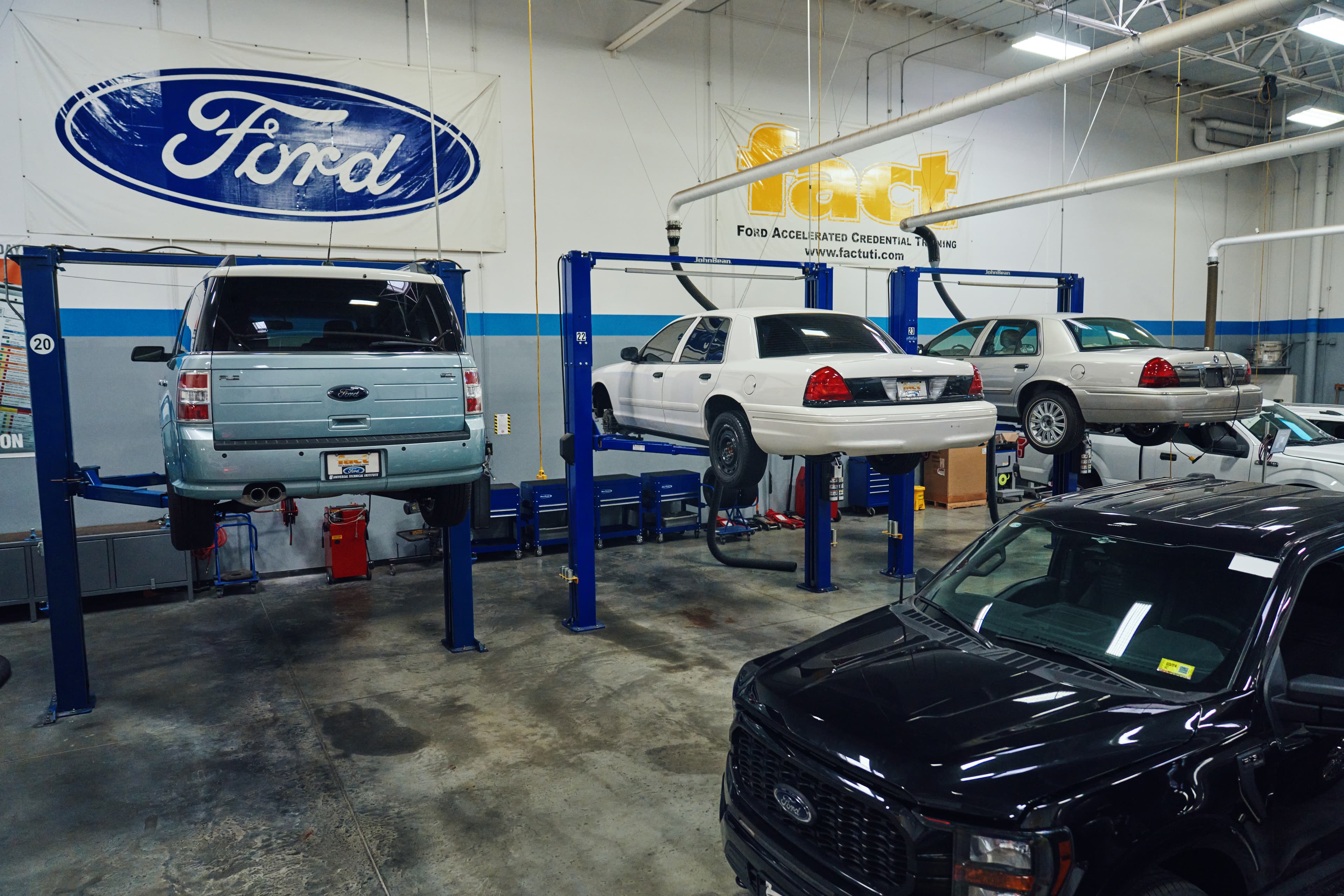
Cars do more than start, stop and steer now. Many of today’s vehicles can warn drivers about danger, help them stay in their lane and even brake when a crash may be coming.
That shift matters because modern safety features are no longer extra tech for a few luxury models. They’re becoming a bigger part of everyday driving.
Advanced driver assistance systems (ADAS) use cameras, radar and other sensors to watch what is happening around the vehicle and support the driver in real time. For technicians, that means modern repair work now involves much more than replacing parts. It also means understanding electronics, automotive safety system data and precise calibration.
At Universal Technical Institute (UTI), auto students train for today’s tech-driven vehicles, which can be completed in just one year.1,7 Along the way, they build hands-on skills through blended automotive technology training and learn to use tools like diagnostic scanners, multimeters, and oscilloscopes to help identify electrical and electronic faults tied to modern vehicle systems, including the kinds of technology that support ADAS features.18
Keep reading to learn how ADAS works, which features it powers and why it matters in modern automotive work.
What Are Advanced Driver Assistance Systems (ADAS)?

ADAS are features designed to improve driver awareness and help reduce crashes. Some systems warn the driver when danger is near. Others can step in and take limited action, such as braking or steering support, if needed. These driver assistance technologies can help reduce traffic crashes and save lives.
These systems work by using tools like cameras, radar and other sensors to collect information about the road, nearby vehicles, lane markings and objects around the car. The vehicle’s computer then uses that information to decide when to warn the driver or assist with part of the driving task.
ADAS systems have become more common because automakers and safety groups have pushed these features forward. At its core, an ADAS system supports collision prevention and driver safety. It does not remove the need for a driver, but it can add another layer of awareness and response when something happens fast.
Read: How Automotive Repair Shops Operate
Common Types of ADAS Technologies in Modern Vehicles
Adaptive cruise control
Adaptive cruise control adjusts the vehicle’s speed to keep a set distance from the car ahead. Instead of holding one fixed speed no matter what, the system can slow down or speed up based on traffic flow.
Lane departure warning and lane-keeping assist
Lane departure warning watches the vehicle’s position in the lane and alerts the driver if the vehicle starts to drift. Lane-keeping assist goes a step further by gently helping guide the vehicle back. These systems often rely on camera-based vision to track lane markings.
Automatic emergency braking
Automatic emergency braking (AEB) can detect an incoming forward crash and automatically apply the brakes if the driver does not react in time. These systems can avoid a crash or reduce how severe it is. These systems usually rely on cameras, radar or lidar to judge closing distance.
Read: How Vehicle Diagnostics Technology Is Changing Auto Repair
Blind spot monitoring
Blind spot systems watch areas beside the vehicle that the driver may not easily see. If another vehicle is there, the system can give an audio or visual warning. Some vehicles also have blind spot intervention, which can apply light braking or steering input.
Parking assistance systems
Parking-related ADAS features can include rear automatic braking, backup cameras and object detection while the vehicle is in reverse. The National Highway Traffic Safety Administration explains that rear automatic braking may use parking sensors and the backup camera to detect objects behind the vehicle and apply the brakes if a crash is imminent.
Read: Understanding Automotive Preventive Maintenance: How Technicians Keep Vehicles Running Longer
ADAS Is Changing Automotive Diagnostics and Repair

ADAS changes repair work because these safety features depend on precise sensor and camera performance. If a camera angle is off, a radar unit shifts or a target is not read correctly, the ADAS system may not work as designed, which is why proper calibration is such an important part of service and repair.
This also means collision work can affect more than body panels. Even a repair that seems small can change how a sensor or camera sits on the vehicle. Calibration may be needed after collision repair, windshield replacement, wheel alignment, suspension work, or other changes that affect sensor position, ride height or camera angle.
Because of that, technicians need a wider skill set than before. They need to understand electronics, scan tools, wiring, system data and testing procedures.
UTI’s auto mechanic courses reflect that shift. Students learn advanced electrical applications and train with diagnostic scanners, oscilloscopes and multimeters to identify faults in modern electronic systems.
Specialized equipment plays a major role in ADAS service because technicians may need to determine whether a system requires static or dynamic calibration, position targets accurately, and follow manufacturer procedures closely. This is precise, process-driven work that leaves little room for guesswork.
That is one reason ADAS has become such a big part of modern automotive service. As vehicles add more driver assistance features, shops need technicians who can work confidently with both mechanical systems and advanced electronics.
Read: How To Become an Auto Mechanic After High School in Less Than 1 Year
ADAS System FAQs
1. What are ADAS systems in a car?
ADAS systems are advanced driver assistance systems that help improve driver awareness and support safer driving. They use tools like cameras, radar and sensors to detect what is happening around the vehicle and respond with alerts or limited assistance.
2. How do ADAS systems improve vehicle safety?
They help reduce crash risk by warning drivers about hazards and supporting fast responses in certain situations. Features like automatic emergency braking, lane-keeping assist and blind spot monitoring are all part of modern automotive safety systems.
3. What are common examples of ADAS?
Common ADAS systems include adaptive cruise control, lane departure warning, lane-keeping assist, automatic emergency braking, blind spot monitoring and parking assistance. These features are now found in many modern vehicles, not just high-end models.
4. Why do ADAS systems need calibration after some repairs?
ADAS depends on precise sensor and camera alignment to work correctly. After repairs like windshield replacement, collision work, wheel alignment or suspension service, calibration may be needed so the system can read the road and nearby objects properly.
5. Why do technicians need to understand ADAS systems?
Today’s technicians need to understand ADAS because modern vehicle repair involves more than mechanical parts alone. Working on today’s automotive safety systems can require knowledge of electronics, diagnostic tools and calibration procedures.

Get Career-Ready for Modern Auto Tech Work
Modern vehicles need technicians who can keep up, and UTI’s auto students build skills in areas like electrical systems, braking systems and advanced diagnostic tools used for today’s electronic vehicle technology, including ADAS systems.
Want to build skills for the vehicles shops see now? Speak with an Admissions Representative at 1-800-834-7308 or request more information online to learn more about our Automotive Technology program.
Ready to take the next step? Enroll now.
Universal Technical Institute of Illinois, Inc. is approved by the Division of Private Business and Vocational Schools of the Illinois Board of Higher Education.
Train for the Future
Imagine waking up each day excited to work in a career you’re passionate about – one where your hands-on skills make a real impact. UTI’s vocational trade school can help you gain the skills and confidence to pursue what you love.
