
Automotive
How Vehicle Diagnostics Technology Is Changing Auto Repair
Explore how vehicle diagnostics technology has evolved, how it’s changing auto repair shops and what future technicians need to know.
In This Article
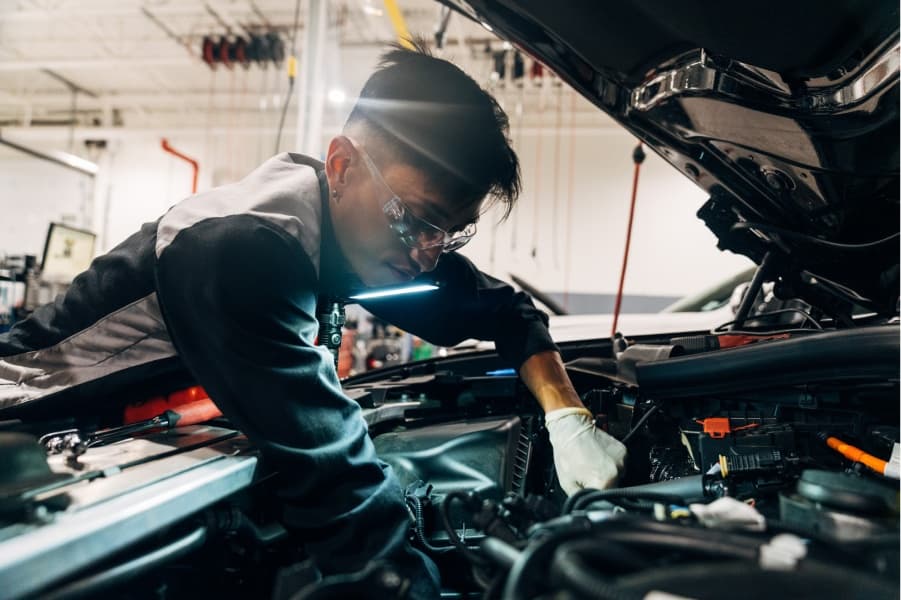
Auto repair has changed dramatically over the past few decades. What was once focused largely on mechanical components now relies heavily on data, software and electronic systems. Today, vehicle diagnostics technology plays a central role in how technicians identify issues, verify repairs and service increasingly complex vehicles.
For those interested in learning how modern vehicles are diagnosed and serviced, Universal Technical Institute (UTI) offers automotive training that introduces students to today’s vehicle systems and diagnostic technologies.1 These tools and systems reflect what technicians encounter in modern repair environments.
This guide explores how vehicle diagnostics technology has evolved, how it’s reshaping auto repair workflows and what future technicians need to know as the industry continues to move toward technology-driven service.
Key Points:
- Auto repair has shifted from mechanical troubleshooting to data-driven diagnostics.
- Modern vehicles rely on sensors, control modules and software to monitor performance.
- Diagnostic data helps technicians identify issues before disassembly.
- Software, calibration and updates are now part of routine service work.
- Advanced diagnostics are raising the skill expectations for technicians.
- Training now emphasizes diagnostics-first thinking and technology literacy.
The Shift From Mechanical Repairs to Data-Driven Diagnostics
Vehicles were once diagnosed primarily through physical inspection and mechanical testing. While those skills still matter, modern vehicles now depend on electronic systems to manage performance, safety and efficiency.
Vehicle diagnostics technology allows technicians to access data generated by these systems, making it possible to identify concerns faster and with greater precision. As vehicles continue to integrate more electronics and software, diagnostics have become a foundational part of auto repair.
What “Vehicle Diagnostics Technology” Really Means
Vehicle diagnostics technology refers to the systems and tools that monitor, collect and share information about how a vehicle is operating. This includes:
- Sensors that track conditions like temperature, pressure and speed.
- Control modules that manage specific systems such as engines, transmissions and braking.
- Vehicle networks that allow systems to communicate internally.
- Software platforms used to access, analyze and update vehicle systems.
- Cloud-connected systems that support data storage and remote analysis.
These diagnostic concepts are commonly introduced through automotive coursework that covers vehicle systems, electrical fundamentals and modern diagnostic technology. Explore more about UTI’s automotive courses.
How Modern Vehicles Generate and Share Diagnostic Data
Modern vehicles continuously collect data through onboard sensors. That information is sent to control modules, where it’s processed and shared across internal networks.
Some data is stored for later retrieval, while other information is available in real time during vehicle operation. Diagnostic tools allow technicians to access this data, helping them understand system behavior before performing physical repairs.
How Diagnostics Technology Is Changing the Auto Repair Process
Vehicle diagnostics technology has reshaped how repairs are approached. Instead of starting with disassembly, technicians often begin by reviewing diagnostic data.
This shift supports:
- Faster identification of potential issues.
- More informed inspection and testing.
- Reduced trial-and-error repairs.
- Greater emphasis on verification and validation.
As a result, diagnostics has become an essential first step in many repair workflows.
The Growing Role of Software in Auto Repair
Software now plays a major role in automotive service. Many repairs and maintenance procedures involve:
- Software updates and reflashing.
- System reprogramming.
- Sensor and system calibration.
- Manufacturer-specific diagnostic platforms.
As vehicles continue to evolve, technicians increasingly interact with digital systems alongside mechanical components.
Why Diagnostics Technology Is Raising the Skill Bar for Technicians
Advances in vehicle diagnostics technology are changing what it means to work as an automotive technician. Beyond mechanical knowledge, today’s technicians are expected to develop skills such as:
- Critical thinking and problem-solving.
- Comfort working with electrical systems and software.
- The ability to accurately interpret vehicle data.
- A mindset focused on continuous learning.
As vehicles become more technology-driven, diagnostics and technology literacy play a growing role in long-term career development. Many training programs align coursework with current industry needs through relationships with manufacturers and employers, helping students become familiar with the systems used in today’s repair environments. Learn more about how industry relationships support automotive training at UTI.
What the Future of Vehicle Diagnostics Technology Looks Like
Looking ahead, diagnostics technology is expected to continue advancing alongside vehicle design. Emerging trends include:
- More advanced diagnostics for ADAS and safety systems.
- Expanded remote diagnostic capabilities.
- Increased reliance on OEM software platforms.
- Specialized diagnostic systems for electric and hybrid vehicles.
These developments reinforce the importance of diagnostics-focused training for future technicians.
Preparing for a Career in a Technology-Driven Repair Industry With UTI1
Automotive training programs like UTI’s focus on diagnostics by introducing students to modern vehicle systems and diagnostic tools. If you’re considering training, reviewing our admissions requirements can help clarify next steps.
To learn more about automotive training and take the next step toward preparing to work in a technology-driven industry, enroll today!
Sources
- https://www.jbtools.com/blog/wrenches-to-widgets-evolution-of-auto-diagnostic-tools/
- https://www.geotab.com/blog/obd-ii/
- https://techsbook.com/obd-system-historical-perspective-to-future-diagnostics/
- https://www.cgsulitstore.com/blogs/car-diagnostic-news/the-future-of-car-diagnostics-what-to-expect-in-the-next-decade
Universal Technical Institute of Illinois, Inc. is approved by the Division of Private Business and Vocational Schools of the Illinois Board of Higher Education.
Train for the Future
Imagine waking up each day excited to work in a career you’re passionate about – one where your hands-on skills make a real impact. UTI’s vocational trade school can help you gain the skills and confidence to pursue what you love.
