
Automotive
How to Specialize in Transmission Repair
Wondering how to specialize in transmissions as an auto tech? Read our blog to learn some tips.
In This Article
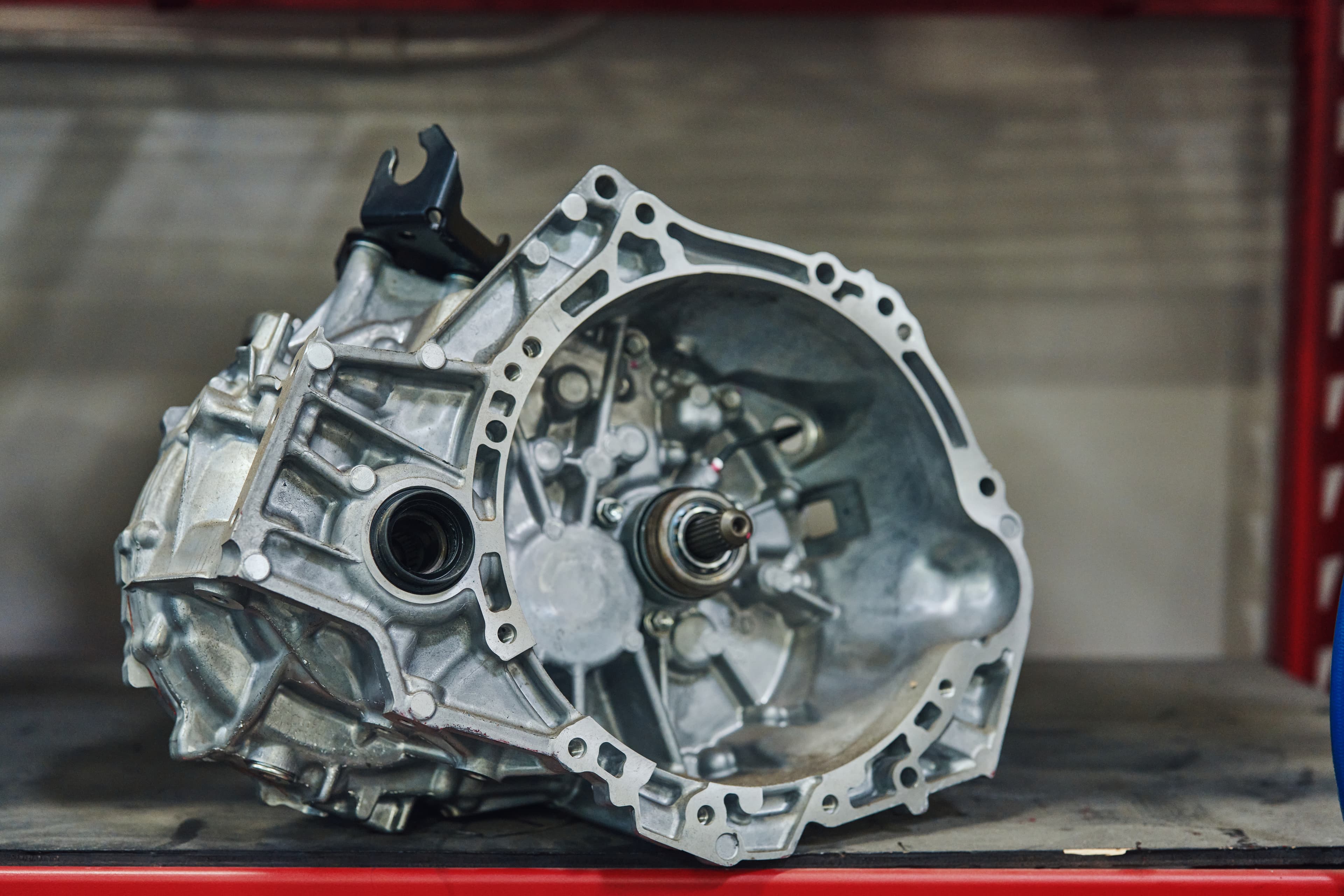
Choosing to specialize in transmission repair means stepping into one of the most technical and detail-driven areas of the automotive industry. Transmissions combine mechanical systems, hydraulics and advanced electronics, requiring technicians to build a strong foundation before narrowing into a specialty.
That’s why many professionals begin with structured automotive technician training. Programs like Automotive & EV Technology at Universal Technical Institute (UTI) are designed to build core knowledge across vehicle systems, including transmissions. This helps give students a foundation they can build on as they grow into advanced areas like transmission diagnostics and transmission rebuild work.1
Here’s a roadmap to help you develop the skills needed to learn how to specialize in transmissions as an auto tech.
Learn Transmission Diagnostics and Fluid Analysis
Before specializing, technicians must become familiar with the basics of transmission diagnostics. Accurate diagnostics not only identify the issue but often prevent more serious damage.
What is an on-board diagnostic scan?
An on-board diagnostic (OBD) scan is a computerized test that reads real-time data from a vehicle’s systems, including transmission performance, fluid temperature and fault codes.
Why it matters:
- Identifies problems early
- Reduces unnecessary part replacements
- Improves repair accuracy
UTI’s Auto program has courses that focus on a range of vehicle systems, including manual and automatic transmissions. This helps teach students skilled processes like using diagnostic equipment, fluid maintenance and transmission assembly and disassembly.
Learn About Different Transmission Families and Technologies
To truly learn how to specialize in transmission repair, you need a deep understanding of how different systems function.
Key transmission types include:
- Manual transmissions: Gear-driven systems with clutch assemblies.
- Automatic transmissions: Hydraulic systems with torque converters and planetary gearsets.
- Continuously variable transmissions (CVT): Belt-and-pulley systems designed for efficiency.
- Dual-clutch transmissions (DCT): High-performance systems using two clutches for faster shifting.
Each system requires different tools, diagnostic approaches and repair techniques.
UTI’s automotive training helps students build an understanding of transmission systems, exposing them to modern automatic transmission technology and electronic controls. This foundational knowledge makes it easier to further their skills later with job experience or pursuing additional certifications.
Get Formal Training at a Trade School Like UTI
Before you can confidently specialize in transmission repair, you need a strong base of skills. That’s where formal training comes in.
UTI’s auto training is designed to give students a well-rounded education, focused on:
- Core vehicle systems and operation.
- Diagnostic procedures and tools.
- Hands-on lab training that mirrors real shop environments.
Students in the Auto program are also prepared to pursue ASE certification and can substitute their training for one year of the two years of experience required to become ASE certified.
ASE certification is a credential awarded by the National Institute for Automotive Service Excellence. It validates a technician’s knowledge and skills through testing and is widely recognized across the industry.
Many technicians begin by earning general certifications and then pursue more specialized ASE credentials, such as those focused on drivetrain and transmission systems, as they gain experience.
If you’re interested in the world of automotive technology and want to build a foundation for the industry, consider enrolling in a trade school like UTI. You can graduate prepared to pursue an entry-level role and build upon your skills to specialize in transmissions.
Learn more and connect with an Admissions Rep to get your questions answered. Or, enroll today.
Frequently Asked Questions About Specializing in Transmission Repair
What are the core diagnostic steps to identify transmission issues?
Technicians typically perform an OBD scan, road test the vehicle, inspect fluid condition and run pressure or electronic tests to isolate the problem.
How do you perform preventive transmission maintenance and inspections?
Routine maintenance includes checking fluid condition, replacing filters and monitoring system performance to catch issues early.
What does the professional transmission repair or rebuild process involve?
A transmission rebuild involves removing the unit, disassembling it, inspecting components, replacing worn parts and reassembling it to manufacturer specifications.
How can someone start specializing in transmission repair?
Start with foundational automotive technician training, like with UTI’s Auto program, to build core skills. From there you can build upon your skills in the workplace, pursue specific ASE certifications and continue developing transmission diagnostics and rebuild expertise over time.
How long does automotive training at UTI take?
The Auto program offered at UTI can be completed in less than a year, allowing aspiring techs to enter the workforce quickly.1,7
Universal Technical Institute of Illinois, Inc. is approved by the Division of Private Business and Vocational Schools of the Illinois Board of Higher Education.
Train for the Future
Imagine waking up each day excited to work in a career you’re passionate about – one where your hands-on skills make a real impact. UTI’s vocational trade school can help you gain the skills and confidence to pursue what you love.
