
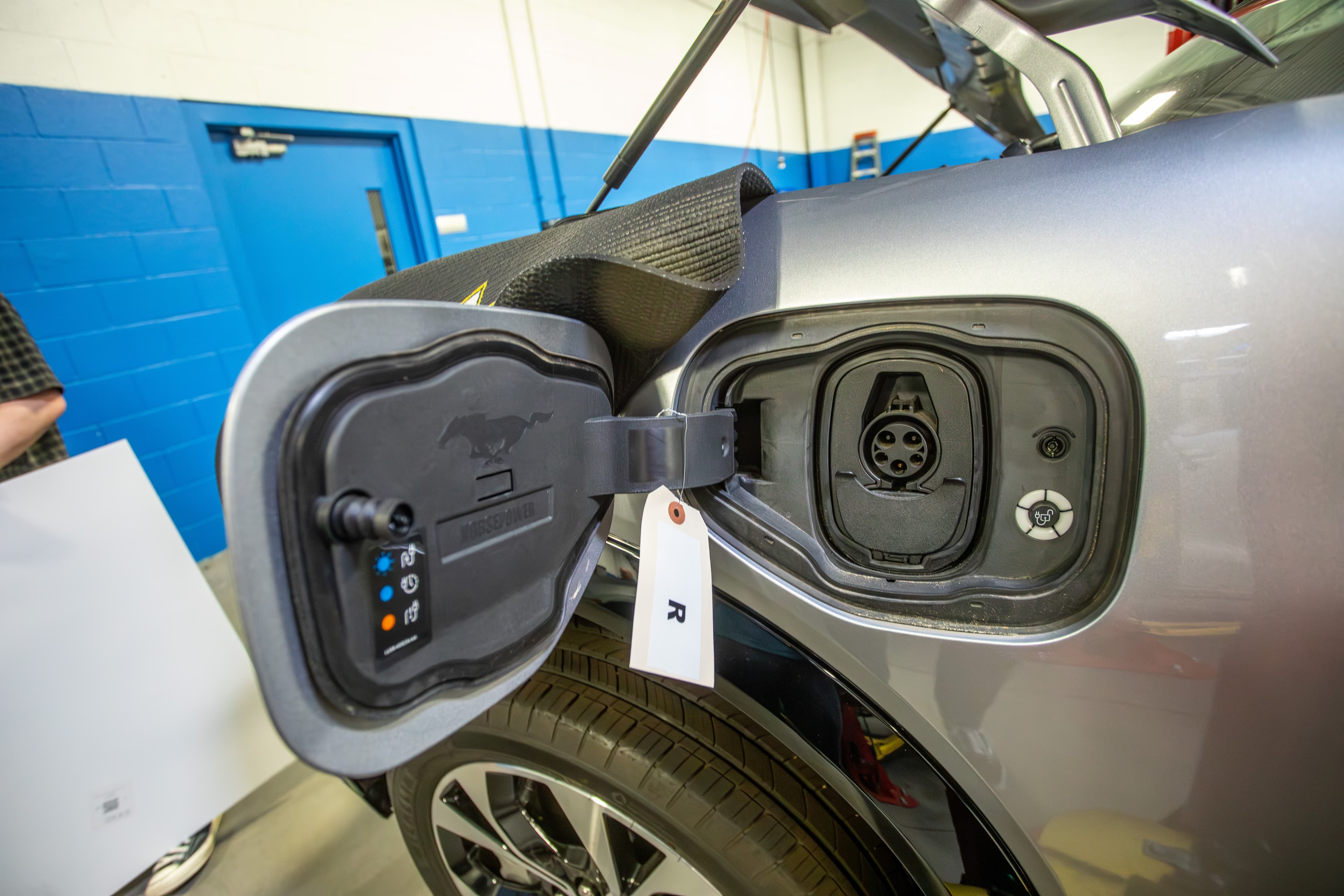
As more electric vehicles hit the road, technicians with EV diagnostic skills are powering a new generation of automotive careers. Working on these vehicles means understanding battery systems, safety protocols and complex electrical components.
Universal Technical Institute (UTI) offers an Automotive & EV Technology program that helps students prepare for a career in the evolving automotive industry.1 Through hands-on courses focused on EV diagnostics and battery technology, students build practical skills that align with what employers in the industry need today.18
Keep reading to see how you can build the EV diagnostic skills that are helping to shape the future of automotive technology.
Why EV Diagnostics Matter in Today’s Automotive World
EVs aren’t just a passing trend; they have an important role in the future of the automotive industry. According to BloombergNEF, global EV sales are on track for another record-breaking year in 2025, driven by technological improvements, policy incentives and consumer demand.
This market growth means automotive technicians trained in EV diagnostics are becoming increasingly valuable. Unlike internal combustion engine (ICE) vehicles, EVs rely on high-voltage battery packs, electric motors and control systems that require specialized diagnostic tools and safety knowledge.
Traditional diagnostic processes, such as checking for misfires, fuel system issues or emissions, don’t apply in the same way. Instead, technicians use digital systems and sensors to assess software-controlled components and energy management systems.
Through UTI’s Electric Vehicle Mechanic training, students gain the technical foundation to understand these new systems and safely perform EV service and repair.
Core Skills Needed for Modern EV Technicians
EV diagnostics require a mix of electrical knowledge, analytical thinking and specialized tools. Below are a few of the essential skills every EV mechanic or EV technician needs to learn.
High-voltage safety and handling
Electric vehicles operate on systems that can exceed 400 volts or more, making safety a critical concern. Technicians must know how to identify, de-energize and properly isolate high-voltage components before performing diagnostic work.
Understanding BEV systems and components
Battery electric vehicles (BEVs) feature systems like battery management units, regenerative braking and inverter modules. Students who take UTI’s Battery Electric Vehicle Technology course learn how these components communicate and work together to deliver power efficiently.
In this course, students gain hands-on training with real EV systems, learning how to diagnose performance issues, interpret data from onboard sensors, and apply safe repair techniques. The curriculum also covers high-voltage battery construction, charging systems and energy conversion, giving students a complete understanding of how power flows through modern electric vehicles.
Using digital multimeters, specialty diagnostic scanners and battery analyzers
Today’s EV service techs depend on specialized tools such as:
- Digital multimeters (DMMs) for checking voltage and continuity.
- Scan tools and OBD-II readers designed for EV-specific systems.
- Battery analyzers to test cell performance and state of charge.
- Thermal imaging cameras to detect heat variations in battery packs.
Industry experts such as Vermont Tool Company emphasize that technicians who can confidently operate these tools will stand out as EV adoption continues to grow.
Practical Training and Real-World Tools at UTI
UTI’s EV curriculum gives students more than classroom knowledge; it immerses them in real-world labs equipped with the same diagnostic technology used in dealerships and service centers. Students practice using digital analyzers, learn battery pack teardown and reassembly procedures, and gain familiarity with live diagnostic troubleshooting.
Through industry relationships with leading automotive technology providers like Bosch, UTI students train using the same advanced diagnostic tools found in professional repair facilities. This connection to real-world equipment helps them build confidence and technical skills before stepping into the field.
Graduates of UTI’s automotive programs often find that these skills open doors to advanced training or manufacturer-specific opportunities and can lead to higher earning potential in the field. According to the U.S. Bureau of Labor Statistics (BLS), technicians with EV-related skills may benefit from an increasing number of job openings as more employers invest in electrified fleets and service capabilities.
Accelerate Your Career in Auto Maintenance with UTI
As EV technology continues to reshape the automotive industry, trained EV mechanics and technicians are leading the way forward. UTI’s hands-on approach helps students build the skills, confidence and technical foundation needed to pursue entry-level roles in this fast-evolving field.18
By enrolling in UTI’s Automotive & EV Technology program, students gain core automotive knowledge with opportunities to train in EV diagnostics and specialized systems that are driving the future of transportation.
If you’re ready to prepare for a career working on electric vehicles, start by enrolling in UTI’s Automotive & EV Technology program.
Ready to begin your journey toward a high-voltage career? Fill out an application today!
Sources
- https://about.bnef.com/insights/
- https://ev-volumes.com/
- https://www.coxautoinc.com/insights-hub/ev-market-monitor-july-2025/
- https://vermonttoolcompany.com/essential-ev-diagnostic-equipment/?srsltid=AfmBOoo4Yeo-GqqLLMS0zRuZiP0FDjZB8SQgigNkgv1rjwclr-RtnjpY
- https://www.bls.gov/emp/tables/occupational-separations-and-openings.htm
Universal Technical Institute of Illinois, Inc. is approved by the Division of Private Business and Vocational Schools of the Illinois Board of Higher Education.