
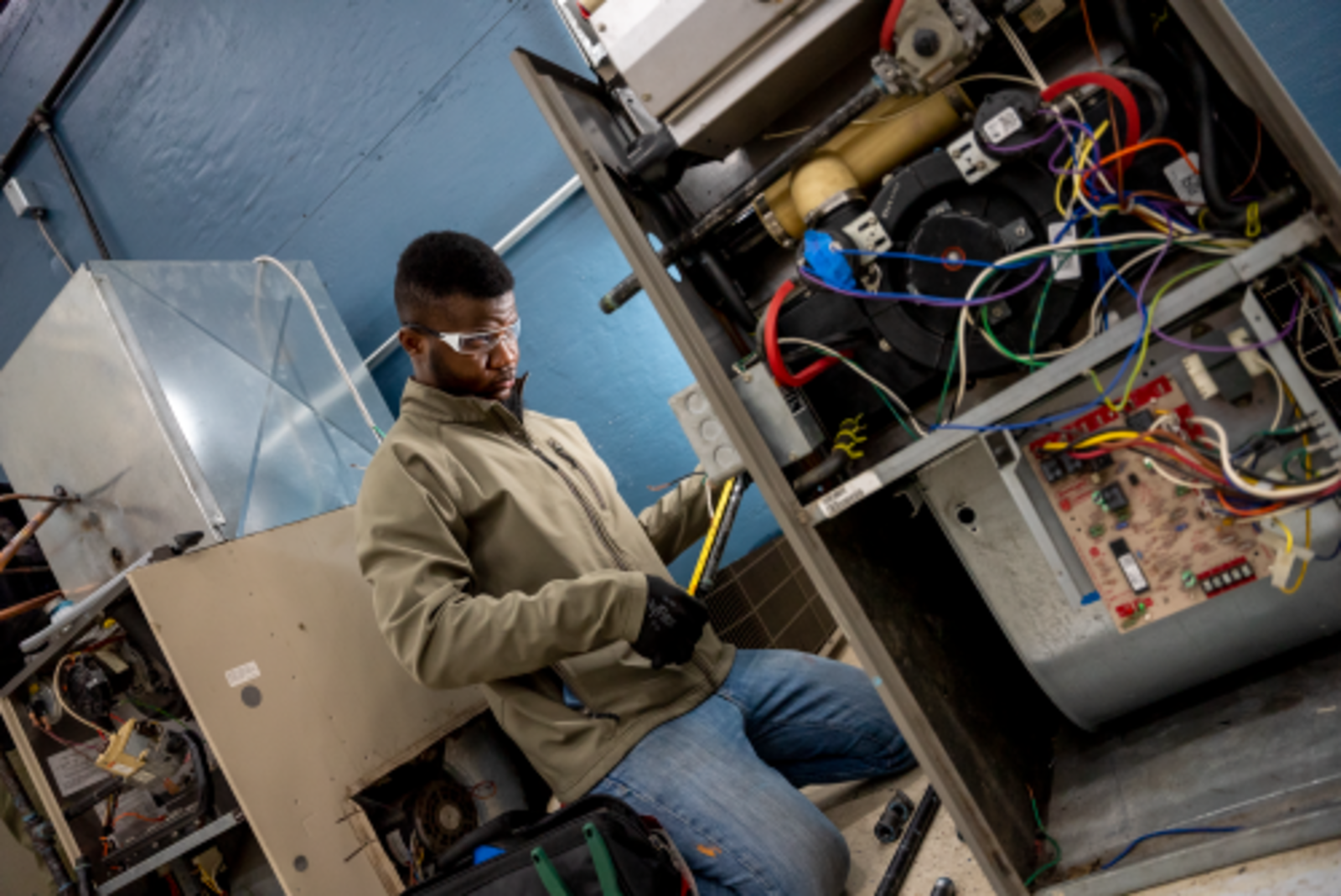
Whether you’re just getting started or looking to enhance your HVACR skills, understanding the qualities needed for this career can help you succeed in the field. HVACR technicians work with complex systems and require a combination of technical knowledge, hands-on ability and soft skills to do the job well.
At Universal Technical Institute (UTI), students in the HVACR Technician program can build the technical and professional skills needed to service heating, ventilation, air conditioning and refrigeration systems. UTI’s HVACR school helps students enhance their HVACR skills and prepare to pursue entry-level roles in the field after graduation in less than a year.1
Here are some of the key traits commonly found in capable HVACR technicians:
Mechanical Aptitude
HVACR technicians work with motors, compressors, piping systems and electrical components. A natural curiosity about how machines work and comfort using tools are essential for building and enhancing your HVACR skills.
Problem-Solving Skills
Troubleshooting and diagnosing system issues is a core part of the job. HVACR techs must think critically and find solutions quickly, especially when customers are relying on them to restore comfort.
Attention to Detail
Precise measurements, accurate readings and careful installation are key to preventing malfunctions. Attention to detail helps HVACR professionals spot issues before they become bigger problems.
Strong Communication Skills
Technicians often interact with customers, supervisors and team members. Being able to explain problems, repairs and maintenance procedures clearly is a valuable HVACR skill.
Physical Stamina and Dexterity
This job can involve working in tight spaces, lifting heavy equipment or standing for long periods. Physical stamina and good hand-eye coordination help HVACR techs perform tasks safely and effectively.
Time Management
Many HVACR jobs are time-sensitive, especially during extreme weather conditions. Technicians must manage their time well to stay on schedule and serve multiple clients in a day.
Safety-Minded Thinking
HVACR work involves electricity, refrigerants and other potentially hazardous materials. A strong understanding of safety protocols and the ability to follow them is critical for technicians.
Willingness To Learn
Technology and regulations in the HVACR industry continue to evolve. A willingness to keep learning — through training, certifications or on-the-job experience — is one of the most important ways to enhance your HVACR skills.
Teamwork and Independence
While some tasks require collaboration, others demand independent work. Successful HVACR techs know how to work as part of a team and take the initiative when working solo.
Certification and Technical Knowledge
Hands-on training and technical understanding of HVACR systems are key to success. Earning certifications and learning from instructors at a qualified HVACR school can help you stand out and build confidence in your skills.