Automotive
How To Read Entry-Level Automotive Technician Job Postings
Learn how to read entry-level automotive technician job postings, understand experience requirements, and compare qualifications, duties and training.
In This Article
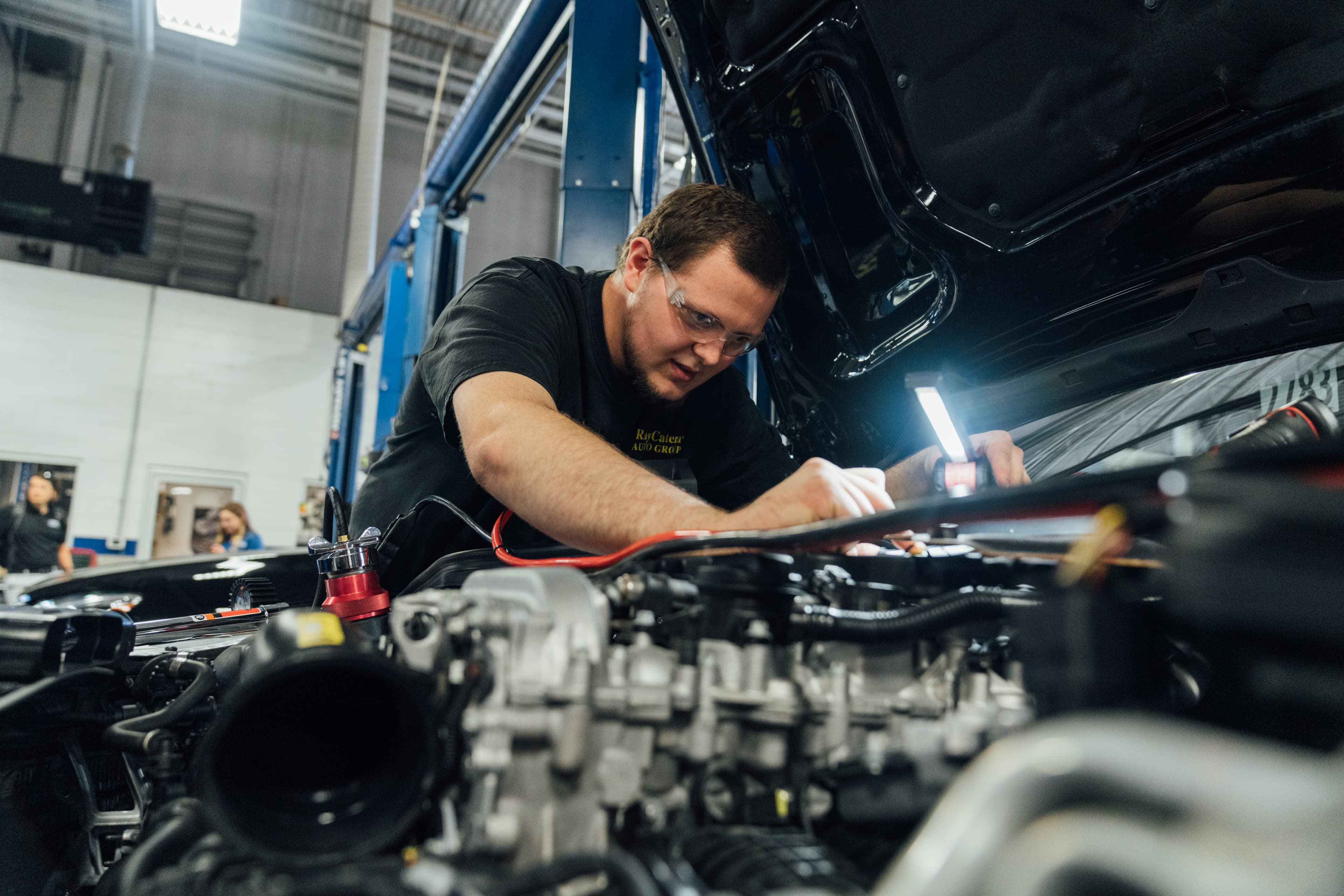
Searching for your first job in the automotive industry can be exciting, but understanding job listings isn't always straightforward. You might find a position labeled "entry-level" that asks for previous experience, specialized skills or certifications you haven't earned yet.
So, how do you know whether a position is a good fit?
Learning how to interpret entry-level automotive technician job postings can help you understand what employers are looking for, identify opportunities that align with your qualifications and prepare questions before applying.
In this guide, we'll break down common job titles, experience requirements, responsibilities and other details to look for when reviewing entry-level automotive technician jobs.
Key Takeaways
- Job titles don't tell the whole story. Entry-level automotive positions may have different titles, responsibilities and qualifications, depending on the employer.
- Required and preferred qualifications aren't always interchangeable. Understanding the difference can help you determine which expectations are essential and which may be flexible.
- Experience requirements vary. Some employers may consider automotive training, school projects or related work experience, while others require previous professional experience.
- Tools and certifications matter. Review each posting to understand what equipment, credentials and technical skills the employer expects.
- Look beyond the job title. Comparing responsibilities, schedules, training opportunities and work environments can help you evaluate potential positions.
Common Titles You May See in Entry-Level Automotive Listings
When searching for automotive jobs, you'll likely encounter several different job titles. Although some positions may involve similar responsibilities, employers don't always use the same terminology.
Understanding common titles can help you expand your search and identify opportunities that match your interests and qualifications.
Automotive technician and mechanic
Two titles you may encounter in auto mechanic job postings are automotive technician and automotive mechanic.
Automotive technician: These positions involve inspecting, maintaining, diagnosing and repairing vehicle systems. Depending on the employer, technicians might work on engines, brakes, electrical systems, steering, suspension and other components.
Automotive mechanic: This title often describes work similar to that of an automotive technician. Responsibilities include performing routine maintenance, identifying mechanical problems and completing vehicle repairs.
It's important to remember that these titles aren't standardized across the automotive industry. One employer might use "automotive technician" for an entry-level maintenance position, while another might use the same title for a role requiring several years of experience.
Tip: Rather than relying on the title alone, read the complete automotive technician job description to understand the responsibilities and qualifications.
For additional information about potential career paths, explore our automotive technician career guide.
Other titles that may involve automotive service work
Not every position in the automotive service industry uses the words "automotive technician" or "mechanic." Some roles focus on vehicle maintenance and inspections, while others involve customer service, parts management or supporting repair operations.
Other entry-level job titles you may encounter include:
Job Title | Potential Responsibilities |
Service writer
| Communicating with customers about vehicle concerns, documenting service requests, preparing repair orders and coordinating with automotive technicians.
|
Smog inspector
| Inspecting vehicles and performing emissions tests to determine whether they meet applicable environmental regulations. Specific licensing or certification requirements may apply depending on the state.
|
Parts associate
| Identifying, locating and organizing automotive parts; assisting customers or technicians with parts requests; and maintaining inventory records.
|
Quick service technician
| Performing routine maintenance services such as oil changes, tire rotations, fluid checks and basic vehicle inspections.
|
These positions involve different responsibilities and qualifications. For example, a quick service technician may perform hands-on vehicle maintenance, while a service writer typically focuses on customer communication and coordinating repairs.
Some positions, such as smog inspector roles, may also have specific state licensing or certification requirements that applicants must meet.
When reviewing a listing, check whether the position primarily involves vehicle maintenance, inspections, customer service or shop support. Understanding these differences can help you identify opportunities that align with your skills, interests and career goals.
How To Interpret Experience and Skill Requirements
One of the most confusing parts of reviewing entry-level positions is understanding what employers expect applicants to know before they're hired.
Some listings provide detailed qualifications, while others use broad language that leaves room for interpretation.
Required qualifications versus preferred qualifications
Many job postings separate qualifications into two categories: Required and preferred.
Required qualifications are the skills, credentials or other conditions an employer identifies as necessary for the position.
Examples may include:
- A valid driver's license.
- The ability to perform certain maintenance or repair tasks.
- Familiarity with automotive tools and equipment.
- Specific certifications or technical training.
- The ability to meet stated physical requirements.
Preferred qualifications describe additional experience, skills or credentials that an employer would like applicants to have but may not consider essential.
Examples might include previous dealership experience, familiarity with certain diagnostic equipment or completion of an automotive training program.
However, employers don't always apply these categories in the same way.
Some may consider applicants who meet most qualifications, while others may have requirements that cannot be waived.
What to look for: Pay attention to words such as "required," "preferred," "must have" and "a plus." If you're unsure whether a qualification is mandatory, consider contacting the employer for clarification.
What “entry-level” and experience language can mean
Does entry-level mean you don't need any experience?
Not necessarily.
The term "entry-level" generally suggests that a position is intended for individuals who are beginning their careers or have limited professional experience. However, employers may define it differently.
For example, one posting might say:
- "No previous automotive experience required."
- "Automotive training preferred."
- "Six months of related experience preferred."
- "One year of automotive service experience required."
Each statement communicates a different expectation.
When reviewing automotive technician experience requirements, consider whether the employer specifies professional experience, technical training or general familiarity with automotive systems.
If you've completed an automotive training program, like the Automotive program at UTI, you likely have performed tasks in a lab environment. UTI helps prepare students for entry-level auto roles after graduation.1
When preparing application materials, describe your experience accurately. Our automotive mechanic resume examples can help you understand how to present relevant training, technical skills and work experience.
Skills and credentials
Automotive technician postings may identify specific technical skills or professional credentials that applicants should possess.
Depending on the position, employers might look for familiarity with:
- Basic vehicle inspections and maintenance.
- Automotive electrical systems.
- Brake systems and components.
- Engine operation and repair.
- Diagnostic tools and equipment.
- Workplace safety procedures.
- Technical service information.
These are examples rather than universal requirements. The skills needed for a routine maintenance position may differ considerably from those needed for a diagnostic or repair-focused role.
For more information about technical and professional skills that may be valuable in the industry, read up on seven skills auto employers want.
What about ASE certification?
Some employers may request or prefer certifications from the National Institute for Automotive Service Excellence (ASE).
ASE certifications demonstrate knowledge and, for many certification categories, verified relevant work experience. Requirements vary by certification.
It's important to understand that completing an automotive training program does not automatically make someone ASE certified. ASE certification involves separate testing and applicable experience requirements.
However, UTI's Automotive program helps prepare students to complete ASE examinations, and graduates can substitute their training for one of the two years of experience required to test to become ASE certified.
If a job posting mentions ASE certification, determine whether it's required at the time of hire, preferred or something the employer expects technicians to pursue later.
You can learn more about different credentials in our auto mechanic certifications guide. Always verify current certification requirements directly with ASE.
Read the Duties, Tools and Work Setting Closely
A job title and list of qualifications only tell part of the story.
To better understand what a position involves, examine the responsibilities, equipment, work environment and scheduling information included in the listing.
These details can help you picture what the role might look like on a typical workday.
Tasks named in the posting
The responsibilities section of an automotive technician job description can help you understand the type of work a position emphasizes.
Common tasks you may see include:
- Vehicle inspections: Checking components and identifying potential maintenance concerns.
- Routine maintenance: Performing oil changes, tire rotations and fluid checks.
- Diagnostics: Using equipment to identify vehicle problems.
- Mechanical repairs: Servicing or replacing components such as brakes, steering or suspension parts.
- Documentation: Recording inspection findings and completed repairs.
Not every entry-level position involves all these responsibilities. Pay attention to which tasks are emphasized and ask whether training or supervision is provided for unfamiliar procedures.
Tools, equipment and training
Automotive job postings may mention tools and equipment applicants should know how to use, such as hand tools, torque wrenches, vehicle lifts, diagnostic scan tools and electrical testing equipment.
Some employers may require technicians to provide their own tools, while others supply certain equipment.
When reviewing a posting, consider asking:
- Are personal tools required, or does the employer provide them?
- What equipment should new hires already know how to use?
- Is training provided for unfamiliar tools or procedures?
For more information about equipment used in the industry, explore our automotive technician tool list.
Schedule and work environment
Beyond technical responsibilities, review the posting for details about the work schedule and environment.
Important considerations include:
- Schedule: Full-time or part-time hours, weekend shifts and overtime expectations.
- Physical demands: Lifting requirements, prolonged standing and repetitive movements.
- Work location: Whether the position is based at one facility or requires travel.
- Team structure: Whether you'll work independently or alongside experienced technicians.
- Working conditions: Potential exposure to noise, temperatures or other shop conditions.
These expectations vary by employer, so clarify any missing details before making a decision.
Questions To Ask When Reviewing an Opportunity
Even detailed job postings may leave some questions unanswered.
Asking for clarification can help you better understand the position and determine whether its expectations align with your current qualifications and career interests.
Here are some questions worth considering:
- What would my day-to-day responsibilities look like? Ask which tasks new technicians perform most frequently and whether responsibilities change as they gain experience.
- What level of supervision is provided? Find out whether new hires work alongside experienced technicians or are expected to complete certain tasks independently.
- What does the onboarding process involve? Ask whether the employer provides structured training, job shadowing or instruction on shop procedures.
- Which tools am I expected to own? Clarify any required purchases and whether specialized equipment is provided.
- Are certifications required before starting? Determine whether specific credentials are mandatory at the time of hire or can be earned later.
- What is the expected work schedule? Confirm regular hours, weekend expectations and any potential schedule changes.
- What physical demands should I expect? Ask about lifting requirements, standing, repetitive movements and other essential job functions.
- How is performance evaluated? Find out which factors the employer uses to assess new technicians, such as work quality, safety, productivity or completion of assigned tasks.
- Are there opportunities to learn additional skills? Ask whether technicians receive ongoing training or opportunities to take on more complex responsibilities.
Reviewing postings is only one part of preparing to enter the automotive industry. For additional guidance on applications, interviews and other considerations, check out our auto mechanic job preparation resource.
FAQs About Entry-Level Automotive Technician Roles
Does “entry-level” mean no experience is required?
Not always. Some entry-level automotive technician jobs don't require previous professional experience, while others may request automotive training, related work experience or specific technical skills. Review the qualifications carefully and ask whether school-based training or related experience may be considered.
Should I apply if I meet the preferred qualifications but not every listed requirement?
It depends on which qualifications you're missing. Preferred qualifications are generally desirable rather than mandatory, but required qualifications may be essential for the role. If you're unsure whether an employer will consider your background, contact them for clarification. Always represent your skills, credentials and experience accurately.
Do I need ASE certification for an entry-level role?
Not necessarily. Some entry-level automotive positions may not require ASE certification, while others may prefer or require specific credentials. ASE certification has separate testing and applicable experience requirements, so completing an automotive training program doesn't automatically make you certified. Review each posting and verify current requirements with ASE.
What should I ask about tools and training?
Ask whether you're expected to provide personal tools, which equipment the employer supplies and whether there's a required tool list. You should also clarify what onboarding, supervision and training are available, particularly if the position involves equipment or procedures you haven't used before.
Are entry-level automotive job postings the same in every city?
No. Auto mechanic job postings can vary by location, employer, facility type and the services offered. Requirements, schedules, responsibilities, and available positions may differ between cities and even between employers in the same area. Review current local listings to understand the opportunities and expectations in your preferred location.
Take the Next Step Toward Pursuing an Automotive Career
Understanding how to read an automotive technician job posting can make the job search process feel more manageable.
As you explore opportunities, remember to look beyond the title. Review the listed responsibilities, distinguish required qualifications from preferred skills, examine experience expectations, and pay attention to tools, training and work schedules.
Most importantly, don't hesitate to ask questions when something isn't clear.
Whether you're researching automotive careers or preparing to apply for your first position, taking the time to understand what employers are looking for can help you make informed decisions.
If you're interested in developing automotive knowledge and hands-on skills, request info to connect with an Admissions Rep or explore our Automotive program page. Learn more about how you can prepare to pursue an entry-level role in less than a year!7
Universal Technical Institute of Illinois, Inc. is approved by the Division of Private Business and Vocational Schools of the Illinois Board of Higher Education.
Train for the Future
Imagine waking up each day excited to work in a career you’re passionate about – one where your hands-on skills make a real impact. UTI’s vocational trade school can help you gain the skills and confidence to pursue what you love.
