Electrical & Electronics
How To Choose the Best Electrical Technician Trade School Program
Learn how to choose an electrical technician program based on hands-on training, curriculum, safety instruction, facilities and career support.
In This Article
Choosing an electrical technician training program is an important step toward building the skills needed to pursue a career in the electrical industry. But with different schools, curricula and training formats available, how do you know which program is right for you?
The best electrical technician program for you will depend on factors like your career goals, preferred learning style, budget and schedule. Comparing options can help you make a more informed decision.
Keep reading to learn what to look for when researching electrical technician trade school programs.
Key Takeaways
- Look for an accredited school that provides hands-on electrical training alongside classroom instruction.
- Review the curriculum to see whether it covers relevant electrical concepts, technologies and industry standards.
- Consider instructor experience, lab equipment, career services and employer relationships when comparing programs.
- Program length and cost can also play an important role in your decision.
- The best electrical trade school program is one that aligns with your individual career goals, needs and circumstances.
What Is an Electrical Technician Program?
An electrical technician program provides technical education and hands-on training designed to help students develop skills used in electrical and related occupations.
Depending on the program, students may learn about topics such as electrical theory, wiring, circuits, electrical codes, troubleshooting, industrial systems, renewable energy and electronic technology.
For example, UTI's electrical technician programs teach students foundational skills in areas including electrical theory, wiring, industrial robotics and mechanical systems.131
Note: UTI’s electrical programs do not prepare graduates for employment as electricians, and graduates will not be eligible for certification as an electrician without additional training and meeting state licensing requirements. Becoming a licensed electrician usually requires completing additional state-specific steps, including apprenticeship hours and exams.
Electrical technician training can provide a foundation for pursuing entry-level roles in the field.1 If you're interested in learning more about the path from training to employment, explore this guide on how to become an electrical technician.
What To Look for in the Best Electrical Technician Programs
Not every electrical program offers the same experience. As you research your options, consider how each school approaches the following areas.
Accreditation
Accreditation is an important factor to research when comparing schools. Accredited institutions have been evaluated by a recognized accrediting agency to determine whether they meet established standards.
Before enrolling, find out whether the school is accredited and by which organization. You can also research whether accreditation affects factors important to you, such as financial aid eligibility, credit transfers or employer requirements.
UTI's campuses are accredited by the Accrediting Commission of Career Schools and Colleges (ACCSC), an agency recognized by the U.S. Department of Education.
Hands-on training and lab equipment
Electrical work is highly technical, which makes practical experience an important part of training.
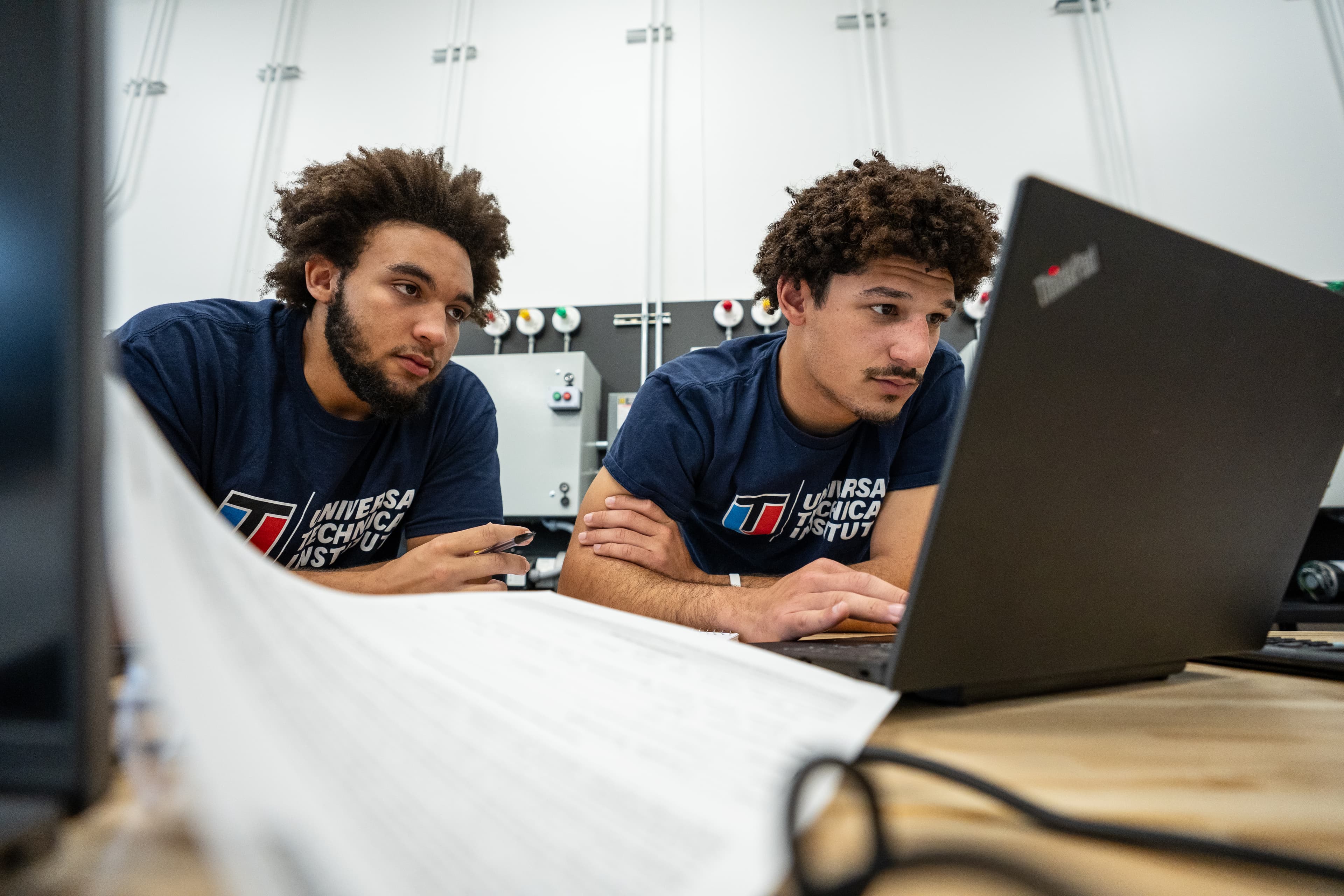
Look for programs that give students opportunities to train with tools, equipment and systems in a lab environment. Rather than learning electrical concepts exclusively from textbooks or lectures, hands-on exercises can help students practice applying what they've learned.
When touring a school, consider asking how much of the program involves lab training and what types of equipment students use. Seeing the training environment firsthand can also help you determine whether the program matches how you prefer to learn. Students in UTI’s Electrical programs learn how to perform tasks and make repairs in hands-on labs.
Curriculum aligned to industry and NEC standards
A strong electrical curriculum should teach foundational concepts while introducing students to standards and technologies relevant to the industry.
Depending on the program, coursework may cover:
- Electrical theory and applications.
- Residential and commercial wiring.
- Electrical and electronic systems.
- Troubleshooting and diagnostics.
- Industrial electrical systems.
- Electrical codes and safety.
- Alternative and renewable energy.
- Smart building technology.
You may also want to ask how the curriculum incorporates the National Electrical Code (NEC) and how frequently coursework is reviewed or updated.
Knowing what to expect in your first year of electrical training can also help you compare a school's curriculum with the foundational skills typically introduced during training.
Instructors with real-world experience
Experienced instructors can help connect classroom concepts to situations technicians encounter in the field.
As you compare schools, research instructor qualifications and professional backgrounds. Instructors with industry experience can offer context about how electrical concepts are applied on the job while helping students develop technical knowledge and problem-solving skills.
Career services and employer connections
Training is only one part of preparing for a career. Career services can help students navigate the transition from school to the workforce after graduating.
When researching programs, find out what career resources are available to students and graduates. UTI’s Career Services team can help with resumes, interview preparation, job-search strategies and connections with potential employers.1
Program length and cost
Program length can vary depending on the school, curriculum and credential offered. Some students may prefer a focused trade school program, while others may choose a longer educational path.
When it comes to comparing cost, look beyond tuition alone. Consider the total cost of attendance, fees, tools and other required materials. You can also research financial aid, scholarships and grants that may be available to those who qualify. UTI has a dedicated Financial Aid team that can answer your questions and help you complete the Free Application for Federal Student Aid (FAFSA) to determine your eligibility.10
Think about how program length fits into your goals as well. A shorter program may allow you to complete your education sooner, while another program may offer additional coursework that better aligns with the type of career you want to pursue.
Ultimately, the best electrical technician program isn't necessarily the shortest or least expensive option. It's the program that provides the training, resources and educational experience that fit your goals and circumstances.
Career Outlook for Electrical Technicians
Electrical training can help students build skills that apply across a range of industries and technical environments.
Depending on their training, experience, location and employer requirements, graduates may explore entry-level opportunities involving electrical systems, industrial equipment, electronics, renewable energy or related technologies.
Graduates from UTI’s electrical training are prepared to pursue entry-level roles. As with any industry, over time, they may be able to advance in their careers with experience and hard work. UTI’s Electrical programs do not prepare graduates for employment as electricians, and graduates will not be eligible for certification as an electrician without additional training and meeting state licensing requirements. However, graduates can pursue roles such as:131
- Electrician's assistant
- Fire alarm technician
- Security + access control systems technician
- Mechatronics technician
- Cable technician
- Electrical technician
Career requirements can vary considerably by occupation and state. Some electrical careers may require apprenticeships, licenses, certifications or additional on-the-job experience beyond completing a trade school program.
Frequently Asked Questions
What should I look for in an electrical technician trade school program?
When comparing electrical technician programs, consider factors such as accreditation, curriculum, hands-on training, lab equipment, instructor experience, career services, program length and cost. The best electrical trade school program for you should also align with your career goals and preferred learning style.
Touring the campus, speaking with admissions representatives and reviewing the curriculum can help you get a clearer picture of what each program offers.
How long does electrical technician training take?
The length of electrical technician training varies by school and program. UTI’s Electrical programs run 12-19 months.
Do electrical technician programs prepare you for licensing exams?
It depends on the program and the type of license you're pursuing. Licensing requirements for electrical occupations vary by state and locality, and completing a trade school program does not automatically make someone a licensed electrician.
What certifications can electrical technicians earn?
Available certifications depend on the technician's specialty, employer and career path.
When evaluating a program, you can ask whether its curriculum prepares students for specific certification exams. Electrical students at UTI can earn up to five National Center for Construction Education and Research (NCCER) credentials.
Is hands-on lab training important in an electrical program?
Hands-on training can be an important part of electrical education because it gives students opportunities to apply concepts learned in the classroom.
Learning with electrical components, tools and training equipment can help students practice tasks such as wiring, testing, troubleshooting and diagnosing systems in a controlled environment.
Start Electrical Technician Training at UTI’s Trade School
If you're searching for an electrical technician school, Universal Technical Institute offers career-focused training designed to help students build foundational technical skills.
Choosing the best electrical technician program comes down to finding training that fits your goals. Explore our electrical technician program options to learn more about the curricula, training experience and how to get started.
Universal Technical Institute of Illinois, Inc. is approved by the Division of Private Business and Vocational Schools of the Illinois Board of Higher Education.
Train for the Future
Imagine waking up each day excited to work in a career you’re passionate about – one where your hands-on skills make a real impact. UTI’s vocational trade school can help you gain the skills and confidence to pursue what you love.
