
Education
The Best Trade School Certifications To Pursue
Explore the best trade school certifications for 2026, including credentials for automotive, aviation, welding, HVACR and other skilled trades.
In This Article
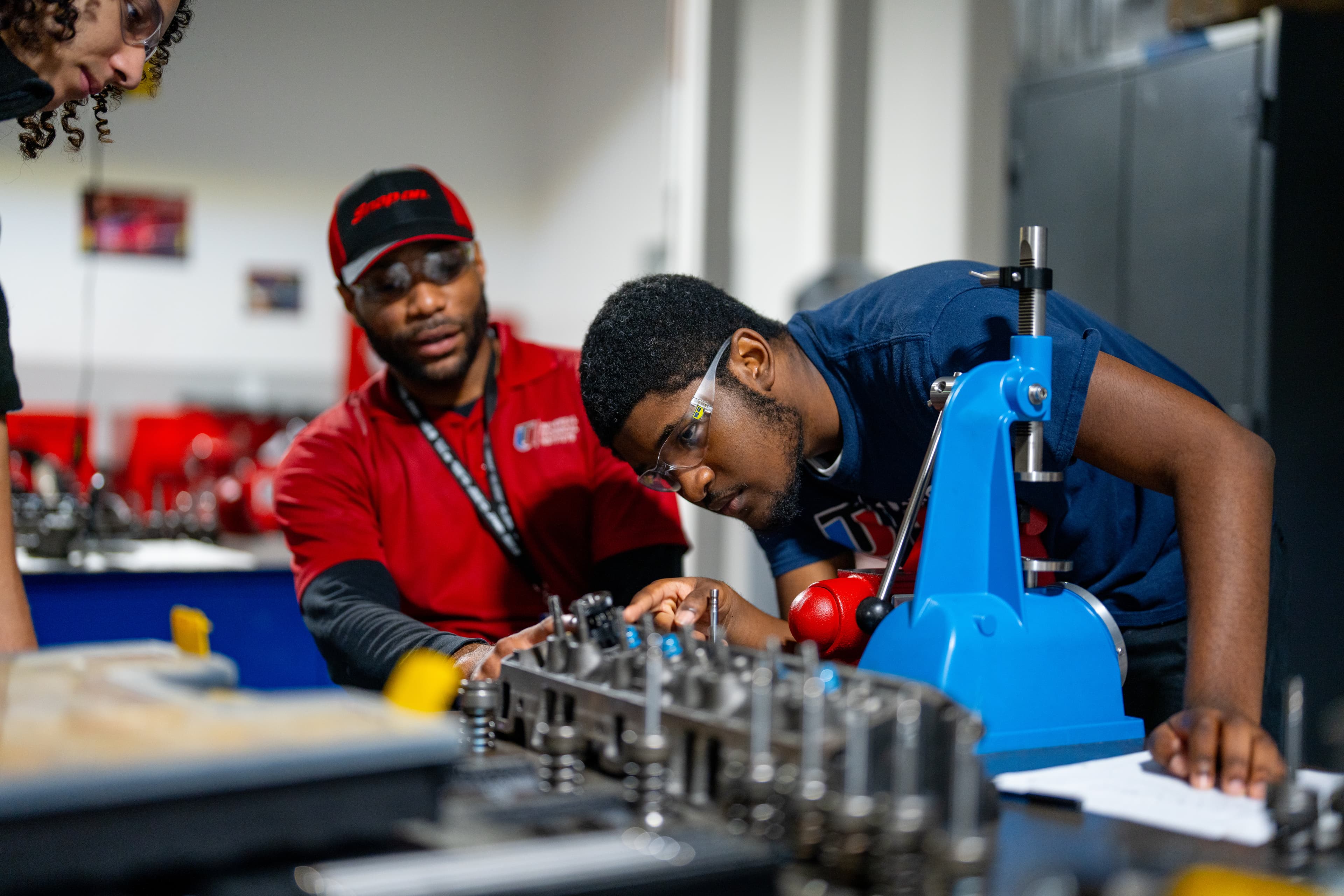
Trade school can help students develop hands-on skills for careers in transportation, energy and skilled trade sectors. Depending on the field, training may also help students prepare to pursue industry certifications or meet requirements for professional licenses. Although UTI does not award industry certifications, our training can help students gain the knowledge and skills needed to pursue them after graduation. Some industry certifications may also require additional industry experience beyond trade school training.
But what are the best trade school certifications to pursue? There isn't one credential that's best for everyone. The right choice depends on your career goals, the trade you want to enter, employer expectations and state or local requirements.
Understanding some of the different trade school certifications available can help you determine which credentials may support the career path you're interested in pursuing.
Key Takeaways
- Certifications generally demonstrate knowledge or competency in a particular trade, skill or technology.
- The best certifications for trade school students depend on their chosen industry, career goals and the requirements of potential employers.
- Trade school training can help students build the knowledge and hands-on skills needed to test for industry certification or licensing requirements after graduation.
Why Trade Certifications Matter
Completing a trade school program and earning an industry credential are not necessarily the same thing. Trade school provides education and hands-on training, while certifications can demonstrate specific competencies or authorize someone to perform certain types of work.
A certification is typically awarded by an industry organization, manufacturer or other credentialing body after an individual meets established requirements. Certifications are not typically awarded by the trade school itself.
For students comparing the best trade school certifications, it helps to start with the requirements of the career they want to pursue. Some credentials may be required, while others are voluntary but valued by certain employers.
Credentials can matter because they may:
- Demonstrate knowledge of specific systems, processes or equipment.
- Help technicians meet employer or industry expectations.
- Qualify workers to perform certain regulated tasks.
- Support specialization as a technician gains experience.
- Provide a way to demonstrate continued professional development.
Certifications are also just one consideration when choosing an educational path. Learn more about trade school certifications vs. associate degree programs and how they differ.
Automotive Certifications
Automotive technology continues to evolve as vehicles incorporate increasingly advanced electrical, electronic and computerized systems. Industry certifications can provide technicians with a way to demonstrate their knowledge in particular areas of automotive service and repair.
Two common categories to consider are ASE certifications and manufacturer-specific credentials.
ASE certifications
The National Institute for Automotive Service Excellence (ASE) offers certifications covering numerous areas of vehicle service and repair, from engines to suspension and steering.
ASE certification requirements typically involve passing an exam and meeting applicable work-experience requirements.
For someone considering the best certifications for trade school students interested in automotive careers, ASE credentials can be worth researching because they are widely recognized throughout the automotive service industry.
Students can begin building foundational skills through automotive training programs, like the one offered at UTI, before pursuing credentials that align with their experience and career goals.1
UTI’s Automotive program is accredited by the ASE Education Foundation at most campuses, and graduates are prepared to complete ASE examinations.16 They are also able to substitute their training for one of the two years of work experience required to become ASE certified!
Manufacturer-specific certifications
Technicians interested in working with a particular automotive brand may also benefit from pursuing manufacturer-specific training and credentials.
These programs can focus on the vehicles, technologies, diagnostic procedures and repair processes used by a specific manufacturer. Requirements and credential structures vary significantly between brands.
Manufacturer-specific training may be worth considering if you already know you want to work for a particular manufacturer or dealership network. UTI offers several different specialized auto programs, with brands like BMW, Porsche, Mopar and GM.11,15
Diesel and Heavy Equipment Certifications
Diesel technicians work with heavy duty engines and systems found in vehicles and other diesel-powered equipment.
Technicians may pursue certifications based on the type of equipment or systems they service. ASE, for example, offers certification categories related to medium/heavy trucks, school buses and other vehicle types.
Like those interested in automotive technology, manufacturer-specific training may also be available for aspiring diesel technicians who want to develop familiarity with particular diesel engines or equipment. UTI offers several diesel specialized training options with brands like Cummins, Freightliner and Peterbilt.11,15
Welding Certifications
Welding is another field where credentials can be highly specific to the work being performed.
Rather than identifying one credential as the universally best trade school certification for welders, students should consider specific welding processes, materials, positions and industries.
AWS Certifications
The American Welding Society (AWS) offers several professional credentials for the welding industry.
One of the most recognizable is the Certified Welder Program, or CWP. This is a performance-based certification that evaluates a welder's ability to perform procedures used in real-world industries.
Students interested in the field can use welding trade school to develop foundational skills in welding processes. Then, once they graduate, they can pursue credentials like the CWP.
Specialized Welding Credentials
Certification requirements can vary based on employer, industry and the type of work being performed. Welders may need to demonstrate their abilities for particular:
- Welding processes
- Materials
- Positions
- Joint configurations
- Industry codes or standards
For example, welding requirements in structural construction may differ from those associated with pipelines, manufacturing or other specialized applications.
Because requirements can be job-specific, aspiring welders should research the industries and employers they hope to work for before deciding which certifications to pursue.
Read: Welding Certifications Explained: What’s Needed and When
HVACR Certifications
Heating, ventilation, air conditioning and refrigeration (HVACR) is one sector where certifications can be particularly important.Technicians may need federally required certification for certain work.
EPA Section 608 certification
Under federal law, technicians who maintain, service, repair or dispose of equipment that could release regulated refrigerants must meet applicable EPA Section 608 Technician Certification requirements.
For students planning to work with regulated refrigerants, EPA Section 608 can therefore be an important credential to research. UTI’s HVACR program is designed to prepare students for testing for this widely recognized certification upon graduation.
Aviation Maintenance Certifications
Aviation maintenance is a highly regulated field. The FAA establishes requirements for mechanic certification in the United States.
Aspiring aviation maintenance technicians pursue an A&P certification, which stands for airframe and powerplant. Although airframe and powerplant certifications make up A&P certification, each focuses on distinct aircraft systems and maintenance responsibilities.
Airframe certification
The Airframe portion of an A&P certification focuses on an aircraft’s structure and related systems. This can include inspecting, maintaining and repairing components such as the fuselage, wings and landing gear to help keep the aircraft safe and airworthy.
Powerplant certification
The Powerplant certification focuses on an aircraft’s engine and related systems, such as fuel and exhaust systems. This work involves inspecting, maintaining and repairing powerplant components to help ensure the aircraft operates safely and efficiently.
A&P certification
An A&P certification is an FAA-issued credential that allows qualified technicians to perform maintenance and repairs on both aircraft structures (Airframe) and engines and related systems (Powerplant). Earning both ratings demonstrates that a technician has met FAA requirements to perform a broad range of aircraft maintenance work.79,128
Motorcycle and Marine Certifications
Motorcycle and marine technicians can also pursue credentials related to the equipment and manufacturers they service.
In these industries, manufacturer-specific training can be particularly relevant. Technicians may receive additional education related to specific brands, engines, diagnostic systems and repair procedures.
Available credentials and requirements vary by manufacturer and employer, so students should consider the types of motorcycles, powersports equipment or watercraft they hope to work on.
The Marine and Motorcycle & Powersports programs at UTI offer students the chance to train with top brands in the industry. Marine mechanic training features classes with Volvo Penta, Honda Marine, Yamaha Marine, Suzuki Marine and Mercury Marine. The Motorcycle & Powersports program allows students to pursue brand training after completing Motorcycle Technician Prerequisite courses, with brands like Kawasaki, Harley-Davidson®, BMW and more.
Collision Repair Certifications
Collision repair technicians work with structural components, body panels, refinishing systems and increasingly complex vehicle technologies.
Depending on their role, technicians may pursue industry credentials related to collision repair procedures, refinishing, structural work and specific vehicle systems.
I-CAR is an organization that provides education, training and credentialing programs for the collision repair industry. UTI’s Collision program was developed in collaboration with I-CAR, and students can earn progress badges in skill areas like Non-Structural Technician, Estimating, Refinish Technician and more. .
H2: Electrical Certifications
Students training to pursue careers in the electrical industry practice servicing different electrical systems, industrial manufacturing equipment and electronics.130
In UTI’s electrical and electronics training paths, students who successfully complete core courses can test for credentials from the National Center for Construction Education and Research, or NCCER. These include the NCCER Core, Electrical Level 1 and Electrical Level 2.
Students enrolled in the Electrical, Electronics, & Industrial Technology program are eligible to test for two additional credentials, upon successful completion of low voltage and mechatronics courses and modules. These are Electronic Systems Technician (EST) Level 3 and EST Level 4.
Note that UTI’s electrical programs do not prepare graduates for employment as electricians, and graduates will not be eligible for certification as an electrician without additional training and meeting state licensing requirements.
How To Choose the Right Certification
The best trade school certifications are the ones that support your specific career goals.
Before pursuing a credential, consider:
- Your intended career. Start by researching the qualifications commonly requested for the jobs you want.
- Legal requirements. Determine whether your state, locality or industry requires a particular certification.
- Employer preferences. Review job postings to see which credentials employers commonly mention.
- Your specialization. Consider whether you want to work with a particular manufacturer, system, process or type of equipment.
- Eligibility requirements. Some certifications require work experience, education or other prerequisites before you can qualify.
- Renewal requirements. Find out whether the credential expires and what is required to maintain it.
This career-first approach is more useful than simply pursuing as many certifications as possible.
If you're still deciding whether vocational education is right for you, explore why trade school is a smart investment and how trade school vs. community college compare.
How To Prepare for Certification Exams
Preparation varies depending on the credential, but trade school can help students develop foundational knowledge and hands-on skills that may be relevant to certification exams.
Students preparing for a credential can:
- Review the credentialing organization's eligibility requirements and exam objectives.
- Use official study guides and practice materials when available.
- Review concepts covered during their training.
- Practice relevant hands-on skills.
- Ask instructors about areas that need additional study.
- Take practice tests to identify knowledge gaps.
- Verify testing procedures, costs and identification requirements in advance.
Keep in mind that graduating from a trade school does not automatically mean you'll earn an industry certification. Certification organizations establish their own eligibility and testing requirements.
Certification Renewal and Continuing Education
Earning a certification may not be the end of the process. Some credentials must be renewed periodically, while others have continuing education, retesting or professional-development requirements.
Renewal requirements vary by credentialing organization and jurisdiction. Professionals should keep track of expiration dates and review requirements directly with the organization or government agency responsible for their credential.
Trade School Certifications FAQs
What certifications can trade school students pursue?
Available trade school certifications depend on the student's field of study as well as their chosen career, employer expectations and any regulatory requirements.
What is the difference between a certification and a license?
A certification generally demonstrates that an individual has met standards established by an industry organization, manufacturer or credentialing body. A license is typically issued or required by a government authority and provides legal authorization to perform regulated work.
Are certifications included in trade school?
It depends on the school, program and credential. Some programs may incorporate preparation for certification exams, and certain certification opportunities may be available during training.
What are the best automotive technician certifications?
There is no single best automotive certification for every technician. ASE certifications are widely recognized and cover multiple automotive service areas, while manufacturer-specific credentials may be valuable for technicians interested in working with a particular brand.
What certifications can welders pursue?
Welders can pursue AWS credentials as well as certifications based on specific welding processes, positions, materials, procedures or industry standards. The appropriate certification depends largely on the type of welding work and employer requirements.
What certifications are required for aviation maintenance careers?
The FAA regulates the Airframe and Powerplant certification that is required to become an A&P or aviation maintenance technician.
Specific eligibility, experience, educational and testing requirements should be verified with the FAA.
Can trade school help prepare students for certification exams?
Yes. Depending on the program, trade school can provide classroom instruction and hands-on training that helps students build knowledge and skills to help them test for certification exams after graduation. Note that some industry certifications may require industry experience beyond trade school training.
Build Your Skills Through Training at UTI
Whatever industry you’re interested in, the right training can help you build a foundation of industry-relevant knowledge and hands-on skills that you can use when testing for certifications in the future.
The best trade school certifications to pursue ultimately depend on where you want your career to go.
Explore UTI's training programs to find a path that aligns with your interests and career goals.1 Request info today to speak to an Admissions Rep!
Universal Technical Institute of Illinois, Inc. is approved by the Division of Private Business and Vocational Schools of the Illinois Board of Higher Education.
Train for the Future
Imagine waking up each day excited to work in a career you’re passionate about – one where your hands-on skills make a real impact. UTI’s vocational trade school can help you gain the skills and confidence to pursue what you love.
