
Diesel
How Do Diesel Truck Electrical Systems Work?
Learn how diesel truck electrical systems work, including batteries, starters, alternators, sensors and diagnostics, and why these systems matter for technicians.
In This Article
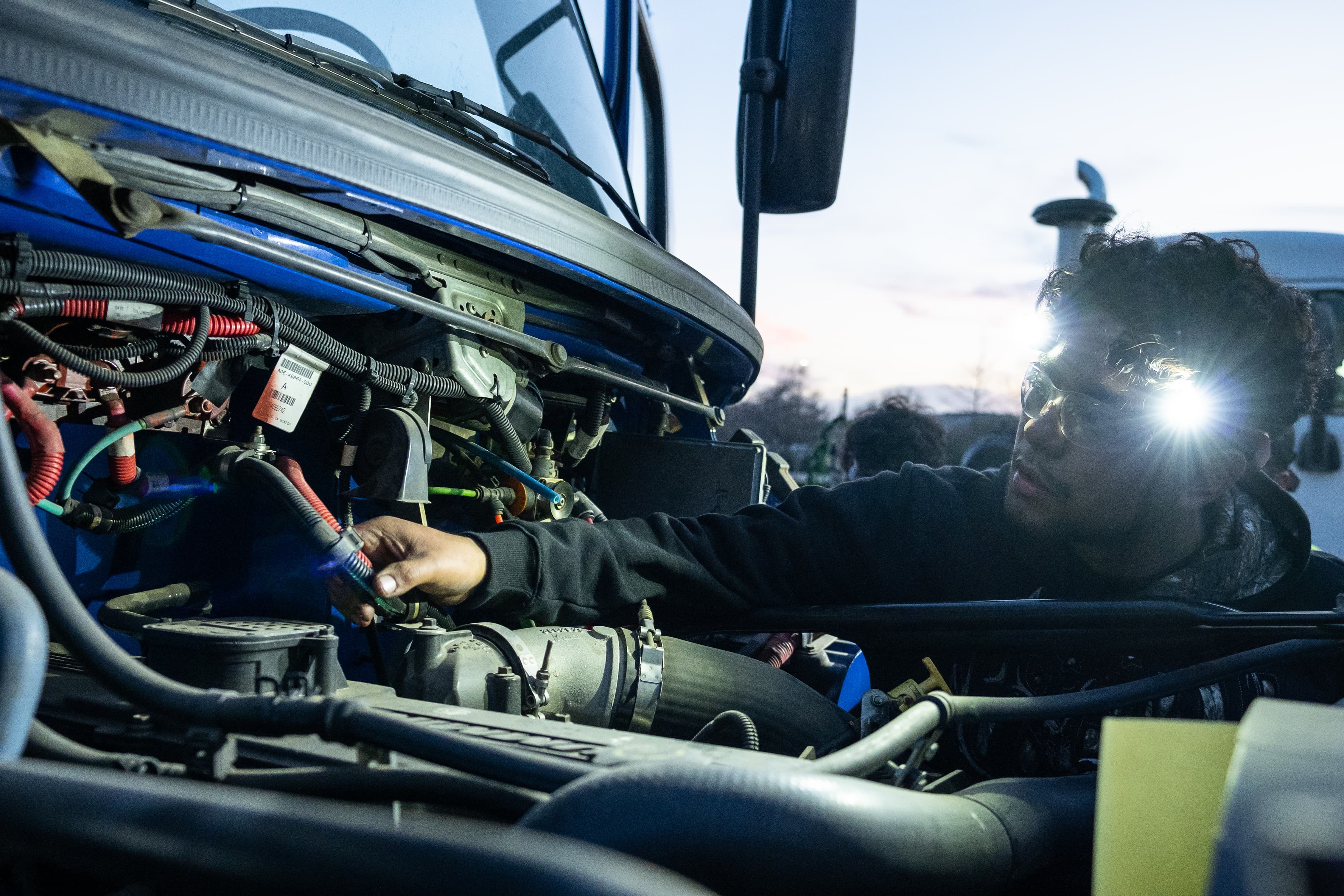
Diesel trucks rely on more than powerful engines to get the job done. Behind the scenes, electrical systems help start the engine, power essential components and support vehicle performance.
From batteries and alternators to sensors and electronic control modules, these components work together to keep diesel trucks operating. Understanding how they function is an important part of diagnosing and servicing modern diesel vehicles.
So, how do diesel truck electrical systems work? Let's explore the major components, their functions and why electrical knowledge matters for diesel technicians.
Key Takeaways
- Diesel truck electrical systems provide power for starting, charging, lighting, electronic controls and other vehicle functions.
- Major components include batteries, alternators, starters, wiring, sensors and electronic control modules.
- Many modern diesel trucks use electronic systems to monitor engine performance and control important functions.
- Electrical problems can cause starting difficulties, charging issues, warning lights and other symptoms.
- Diesel technician training can help students build foundational electrical and diagnostic skills used in the industry.
What Is a Diesel Truck Electrical System?
A diesel truck electrical system is a network of components that generates, stores, distributes and controls electrical power throughout the vehicle.
Although diesel engines use compression ignition rather than spark plugs to ignite fuel, they still depend on electricity for many essential functions.
For example, electrical power helps operate the starter motor, supports electronic fuel injection controls and powers systems such as lighting, instrumentation and onboard computers.
Modern diesel trucks also use electronic controls to monitor operating conditions and help manage engine performance.
While specific designs vary by manufacturer and model, diesel truck electrical systems generally include three major categories:
- Starting systems: Use stored electrical energy to crank the engine.
- Charging systems: Generate electricity while the engine operates and help maintain battery charge.
- Electronic control and distribution systems: Deliver power to components and manage various vehicle functions.
Together, these systems help support reliable vehicle operation.
What Are the Main Components of a Diesel Truck Electrical System?
Several components work together to provide electrical power and support electronic functions in diesel trucks.
Batteries
Batteries store electrical energy and supply the power needed to start the engine and operate electrical accessories when the charging system isn't supplying power.
Many heavy-duty diesel trucks use multiple batteries to provide the electrical capacity and starting power needed for large engines.
The number, configuration and voltage of the batteries can vary depending on the vehicle.
Alternator
The alternator generates electrical power while the engine is running. It helps recharge the batteries and supplies electricity to the vehicle's electrical systems.
If the alternator isn't functioning properly, the batteries may gradually lose charge, potentially affecting the operation of electrical components.
Starter motor
The starter motor uses electrical energy from the batteries to turn the engine during startup.
When the driver activates the starting system, the starter engages the engine's flywheel or another designated starting mechanism, depending on the vehicle's design.
Once the engine starts, the starter disengages.
Wiring, fuses and relays
Wiring connects electrical components throughout the truck, allowing power and signals to travel between different systems.
Other important components include:
- Fuses: Help protect circuits from excessive electrical current.
- Relays: Allow electrical signals to control the operation of other circuits.
- Connectors: Join electrical components and wiring harnesses.
- Ground connections: Provide return paths for electrical current.
Problems with these components can interrupt electrical circuits and affect vehicle operation.
Sensors
Sensors monitor operating conditions and send information to electronic control modules.
Depending on the vehicle, sensors may monitor:
- Engine temperature
- Oil pressure
- Crankshaft position
- Intake air temperature and pressure
- Exhaust system conditions
This information helps electronic systems monitor and manage engine operation.
Electronic Control Modules (ECMs)
An electronic control module, or ECM, is a computer that processes information from sensors and helps control specific vehicle functions.
In many diesel trucks, the electronic control module manages functions related to fuel injection, engine operation and emissions systems.
Modern trucks may also contain additional electronic control modules responsible for transmissions, braking systems and other vehicle functions.
These modules can communicate through vehicle networks to exchange information and coordinate operations.
How Do Diesel Truck Electrical Systems Work Together?
The different electrical components in a diesel truck perform specific functions, but they also depend on one another.
Here's a simplified look at how they work together during vehicle operation:
Stage | What happens |
Starting | The batteries supply electrical energy to the starting system, allowing the starter motor to crank the engine. |
Engine operation | Sensors collect information about operating conditions and send signals to electronic control modules. |
Charging | The alternator generates electricity to support electrical loads and recharge the batteries. |
Power distribution | Wiring, fuses, relays and other components distribute electrical power throughout the vehicle. |
Monitoring | Electronic control modules process information, manage designated functions and may identify system faults. |
These processes happen continuously as the vehicle operates.
Because electrical components are interconnected, a problem in one area can sometimes affect other systems.
For example, a charging system issue may lead to low battery voltage, which can interfere with electronic controls or make restarting the engine difficult.
What Are Common Diesel Truck Electrical Problems?
Electrical issues can affect starting, charging, vehicle accessories and electronic controls.
Some common examples include:
Weak or discharged batteries
Batteries that cannot provide sufficient electrical power may cause slow cranking, starting difficulties or problems operating accessories.
Alternator or charging system problems
A malfunctioning alternator or related charging component can prevent the batteries from receiving an adequate charge.
Damaged wiring or poor connections
Corroded terminals, damaged wires and loose connections can interrupt electrical flow or cause intermittent problems.
Faulty sensors
A sensor that provides inaccurate information may affect engine operation or trigger a diagnostic trouble code.
Starter system problems
A faulty starter motor, relay or associated circuit may prevent the engine from cranking properly.
It's important to recognize that these symptoms don't always identify a specific failed component. Similar problems can have different underlying causes, making proper diagnostics an essential part of diesel vehicle service.
How Do Diesel Technicians Diagnose Electrical Problems?
Diesel technicians use electrical knowledge, diagnostic equipment and manufacturer service information to help identify electrical faults.
Depending on the vehicle and the problem, technicians may use several tools.
Digital multimeters
A digital multimeter measures electrical properties such as voltage, resistance and current when used with the appropriate procedures and equipment.
Technicians can use these measurements to evaluate circuits and identify potential electrical problems.
Diagnostic scan tools
Modern diesel trucks contain electronic control modules that can store diagnostic trouble codes when certain faults are detected.
Compatible diagnostic scan tools allow technicians to retrieve this information and, depending on the system, view operating data or perform diagnostic functions.
However, a diagnostic trouble code doesn't necessarily identify the exact component that needs replacement. Additional testing may be required to determine the underlying problem.
Oscilloscopes
An oscilloscope displays electrical signals over time.
Technicians may use this tool to examine signals from sensors, electronic components and other circuits when diagnosing certain electrical concerns.
Wiring diagrams
Wiring diagrams show how electrical components and circuits are connected.
Technicians use these diagrams alongside manufacturer service information to understand circuit operation, locate components and plan diagnostic testing.
Because diesel truck electrical systems vary by manufacturer and model, technicians must follow applicable service procedures and safety requirements when performing electrical work.
Why Are Electrical Skills Important for Diesel Technicians?
Diesel technology involves more than mechanical engine components.
Modern diesel trucks and other diesel powered vehicles use electronic systems to help control fuel delivery, monitor emissions-related functions, communicate diagnostic information and manage other vehicle operations.
As a result, technicians may need to understand how mechanical and electrical systems interact when diagnosing problems.
For example, an engine performance concern could involve a mechanical component, an electronic sensor, a wiring issue or a combination of factors.
Electrical knowledge can help technicians interpret diagnostic information, evaluate potential causes and determine appropriate next steps.
Foundational skills such as reading wiring diagrams, understanding electrical circuits and using diagnostic equipment can be valuable when pursuing a diesel technician career.
How Can You Learn About Diesel Truck Electrical Systems?
Aspiring diesel technicians can develop electrical knowledge through technical education and supervised hands-on training.
A diesel technology program can be helpful for introducing students to electrical principles, vehicle circuits, starting systems and diagnostic equipment.
At Universal Technical Institute, students in the Diesel program learn electrical fundamentals and how to use electrical diagnostic equipment, such as multimeters and oscilloscopes. They’ll be taught how to diagnose and repair various issues within vehicle electrical systems.
Students have opportunities to apply classroom concepts through hands-on training in a lab environment.18 These foundational skills can help prepare students to pursue entry-level opportunities in diesel service and repair.1
Frequently Asked Questions About Diesel Truck Electrical Systems
Do diesel trucks have alternators?
Yes. Conventional diesel trucks typically use alternators to generate electricity while the engine operates. The alternator helps power electrical systems and recharge the batteries.
Do diesel engines need electricity to run?
Many modern diesel engines rely on electricity to operate electronic fuel injection, sensors and engine control systems. Although diesel engines use compression ignition rather than spark plugs, electrical systems still play an important role in their operation.
Why do diesel trucks have multiple batteries?
Many heavy-duty diesel trucks use multiple batteries to provide the electrical capacity and starting power required by large engines. Battery configurations vary depending on the truck and its electrical requirements.
What causes electrical problems in diesel trucks?
Common causes include weak batteries, damaged wiring, corroded connections, charging system faults and malfunctioning electrical components. Proper diagnostic testing is needed to determine the cause of a specific problem.
What electrical skills do diesel mechanics need?
Diesel mechanics can benefit from understanding electrical circuits, reading wiring diagrams, using diagnostic equipment and evaluating starting, charging and electronic control systems.
Do diesel mechanics learn electrical systems in school?
Many diesel technology programs include electrical fundamentals and diagnostics as part of their curriculum. At UTI, diesel students receive instruction in electrical applications and have opportunities to practice relevant skills through hands-on lab training.18,1
Build Diesel Electrical Skills at UTI
From starting and charging systems to electronic controls and diagnostics, electrical technology plays an important role in modern diesel trucks.
For aspiring technicians, learning how these systems operate can provide a foundation for understanding diesel vehicle maintenance and repair.
UTI's Diesel Technology program combines classroom instruction with hands-on training in areas such as electrical applications, diesel engines, fuel systems and more.18
Interested in building skills for a career in diesel technology? Explore UTI's Diesel Technology program to learn more about the curriculum, training options and how to get started.1
Universal Technical Institute of Illinois, Inc. is approved by the Division of Private Business and Vocational Schools of the Illinois Board of Higher Education.
Train for the Future
Imagine waking up each day excited to work in a career you’re passionate about – one where your hands-on skills make a real impact. UTI’s vocational trade school can help you gain the skills and confidence to pursue what you love.
