
Automotive
Electric Vehicle (EV) Technician Careers in Atlanta, Georgia
Explore electric vehicle technician careers in Atlanta, including job demand, salary outlook and training pathways.
In This Article
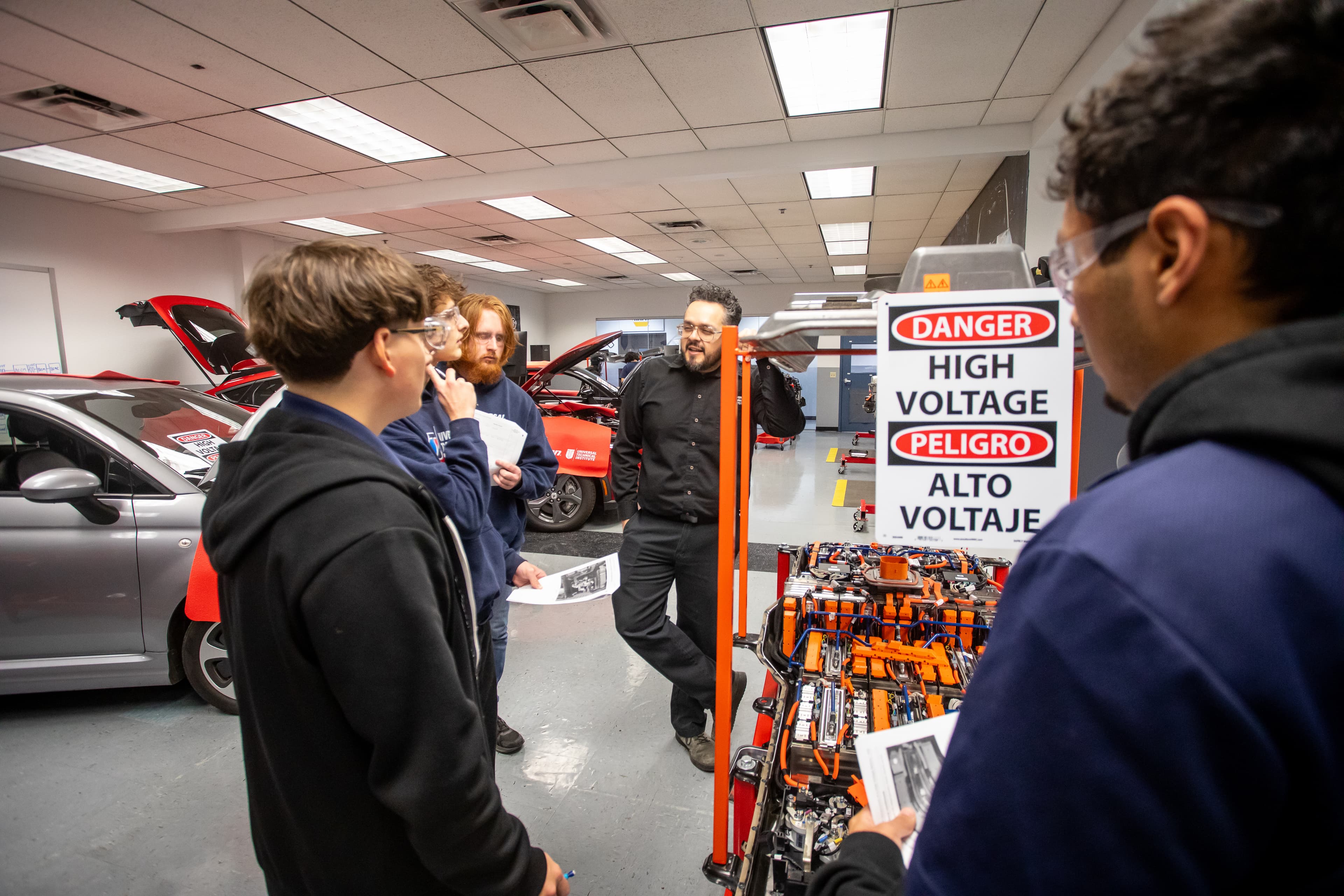
Electric vehicles are changing the automotive industry, and technicians who understand advanced vehicle technology are becoming increasingly important. Modern EVs rely on high-voltage battery systems, complex electronics and specialized diagnostic tools, creating new opportunities for trained professionals.
For students interested in becoming EV technicians, developing skills in advanced automotive systems can be a pathway into a rapidly evolving field. Training programs, such as Universal Technical Institute (UTI) Atlanta’s Automotive & EV Technician training program, help students build foundational automotive knowledge that can be applied to both traditional vehicles and emerging technologies.1
Why Electric Vehicle Growth Is Creating Opportunity in Atlanta
Atlanta and the broader Georgia region are becoming increasingly involved in the electric vehicle ecosystem. Several factors are contributing to the growth of EV-related opportunities and the need for technicians trained in advanced automotive systems.
EV manufacturing investment in Georgia
Georgia has attracted significant EV manufacturing investment in recent years. Companies such as Hyundai Motor Group are building large electric vehicle manufacturing facilities in the state, bringing new technology and supply-chain jobs to the region.
EV adoption in Metro Atlanta
Electric vehicle ownership has steadily increased as drivers look for fuel efficiency, lower emissions and advanced vehicle features. As EV adoption grows across cities like Atlanta, technicians capable of servicing modern vehicles become increasingly valuable.
Expansion of the charging infrastructure
To support EV adoption, the charging infrastructure has expanded across Georgia highways, urban areas and commercial locations. A larger EV ecosystem often leads to increased service and maintenance needs.
Advanced vehicle systems require specialized knowledge
EVs use high-voltage electrical systems, regenerative braking, battery management systems and sophisticated onboard computers. Technicians who understand diagnostics, electrical systems and electronic vehicle components may find opportunities in a range of EV jobs and broader automotive technology careers.
What Does an EV Technician Do?
An EV technician performs many of the same core functions as traditional automotive technicians, but with additional emphasis on electrical systems, battery technology and advanced diagnostics.
Common responsibilities can include:
- Diagnosing battery systems: Electric vehicles rely on large lithium-ion battery packs. Technicians may inspect battery performance, diagnose issues and ensure systems are operating safely and efficiently.
- Working with high-voltage components: EVs use high-voltage electrical systems that require specialized safety procedures. Technicians learn how to safely inspect and service these components.
- Maintaining hybrid and electric drivetrains: EV drivetrains differ from internal combustion engines. Technicians may inspect electric motors, power electronics and related systems.
- Using software diagnostics and electronic systems: Modern vehicles depend heavily on computerized systems. Diagnostic software helps technicians identify faults, update vehicle software and troubleshoot performance issues.
Because EV technology integrates mechanical, electrical and computer-based systems, technicians with strong foundational automotive knowledge and diagnostic skills may be well-positioned to work on these vehicles.
Salary and Job Outlook for EV Technicians in Georgia
While salary data specifically for EV technicians is limited, those interested in working in automotive technology careers can reference broader automotive technician wage data to understand potential earnings.
According to the Bureau of Labor Statistics (BLS), the median annual salary for automotive service technicians and mechanics in the United States was $49,670 in May 2024.25 This means half of automotive technicians earned more and half earned less. Keep in mind that salary depends on several factors, including experience, employer, demand and cost of living in the area.
Technicians who build advanced diagnostic and electrical skills may find opportunities to work with newer vehicle technologies, including hybrid and electric vehicles.
The long-term outlook for automotive service technicians remains steady as vehicles continue to require maintenance and repair. As electric vehicles become more common, technicians who understand modern automotive systems may play an important role in keeping these vehicles operating safely and efficiently.
Prepare for Advanced Automotive Technology With UTI
Training can help students build the skills needed to work on modern vehicles that combine mechanical systems with advanced electronics.
The Universal Technical Institute Automotive Technology program introduces students to many of the core systems used in today’s vehicles. Through a combination of classroom learning and hands-on training, students can develop skills related to diagnostics, engine performance and vehicle electronics.
Programs like this can help prepare graduates for entry-level automotive technician roles and provide a foundation for working with evolving vehicle technologies.
If you’re interested in pursuing EV jobs or other automotive technology careers, training could be an important step toward building technical skills and industry knowledge. Curious about becoming an auto tech? Request more information or take the next step toward starting your training.
Sources
https://www.bls.gov/ooh/installation-maintenance-and-repair/automotive-service-technicians-and-mechanics.htm
https://www.hyundai.com
https://afdc.energy.gov
Universal Technical Institute of Illinois, Inc. is approved by the Division of Private Business and Vocational Schools of the Illinois Board of Higher Education.
Train for the Future
Imagine waking up each day excited to work in a career you’re passionate about – one where your hands-on skills make a real impact. UTI’s vocational trade school can help you gain the skills and confidence to pursue what you love.
