
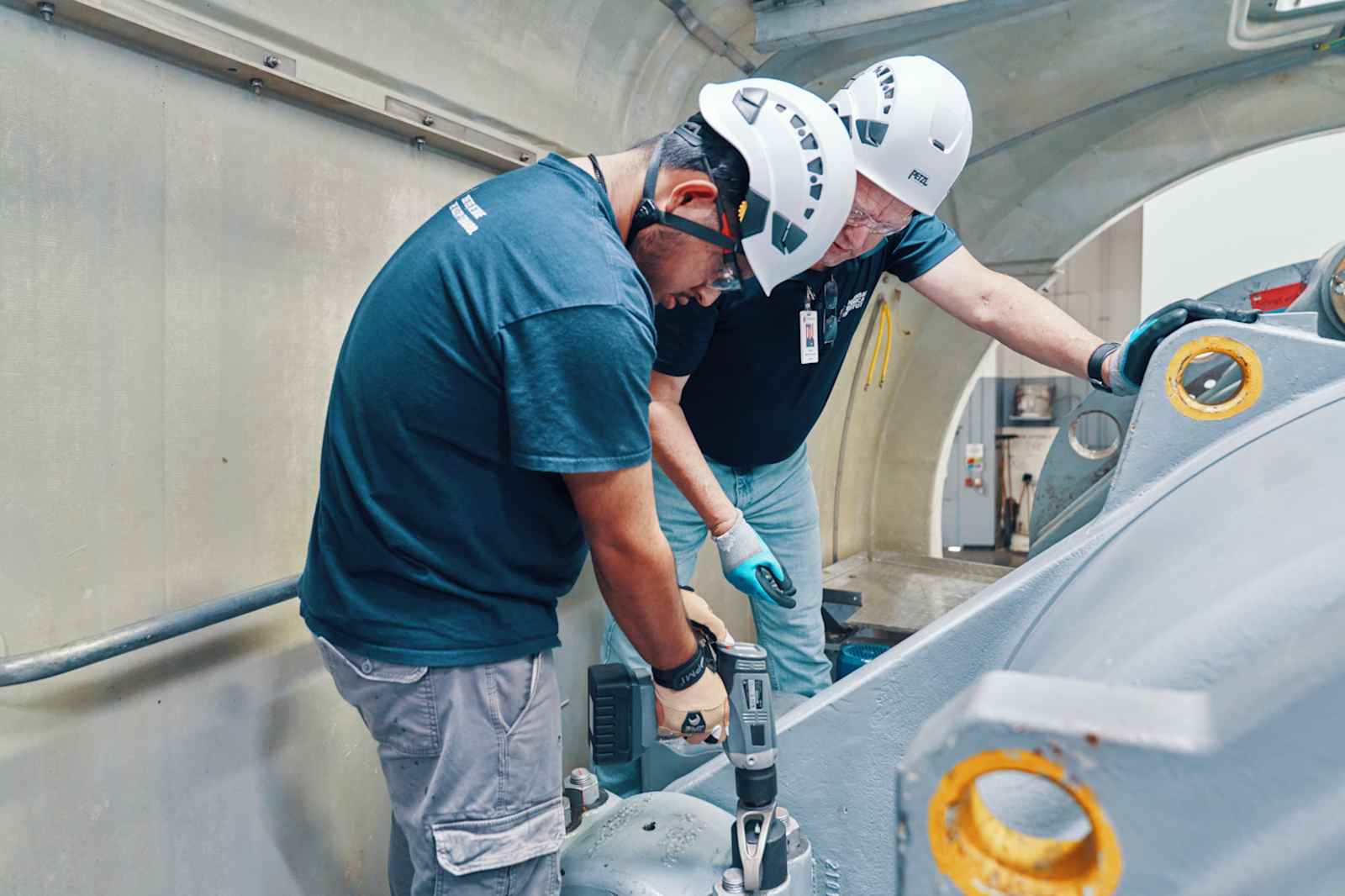
Welcome to AC & DC Electrical Theory, part of the wind turbine technician curriculum in Wind Turbine Technician Wind Turbine Technician Training.
This portion of the training introduces students to the foundations of electrical theory and the role of AC and DC electricity in wind energy systems. Students learn how electrical power flows through circuits, how energy is stored and discharged, and how technicians troubleshoot electrical components used in modern wind turbine systems.
As part of wind turbine technician training, classroom instruction is combined with hands-on lab projects to help students build practical skills used in the wind energy industry.
Students enrolled in the wind turbine technician training programs explore electrical concepts that are necessary for a wind turbine technician career, including circuit design, troubleshooting and electrical system analysis.130
What You’ll Learn in AC & DC Electrical Theory
AC & DC electrical theory
This portion of the course focuses on the foundational concepts of electrical theory, helping students understand how electricity behaves within different circuit types.
Students learn how voltage, current and resistance interact in AC and DC circuits, along with how these relationships influence power generation and electrical system performance. These principles are essential for understanding how electrical components function within wind turbine systems.
Understanding AC and DC electricity also prepares students for later coursework within the wind turbine technician courses, where students expand their knowledge of electrical systems used in renewable energy technology.
Charging and storage functions
Wind turbines rely on electrical systems that generate, transfer and store energy. In this section of the course, students study how electrical energy is stored and discharged within circuits.
Topics include:
- Batteries and electrical storage systems.
- Capacitors and their functions within DC circuits.
- Charging and discharge cycles.
- Energy management within electrical systems.
These concepts support a deeper understanding of how electrical systems behave within wind energy infrastructure and other industrial applications.
Design and troubleshooting
Electrical troubleshooting is a key skill within a wind turbine technician career.1
Students start by designing simple circuits using electrical schematics before progressing to more complex circuit analysis and troubleshooting exercises. They learn how to interpret wiring diagrams, identify electrical faults and diagnose issues within circuits.
These skills prepare students for further training inlater coursework in the advanced electrical and controls, where students build on these foundational concepts.
Hands-On AC and DC Lab Projects
Students in this wind turbine technician school gain valuable hands-on practice applying AC and DC concepts to real electrical systems. UTI’s training approach focuses on hands-on education aligned with industry needs.
Lab exercises may include:
- Build electrical circuits using schematics.
- Test voltage, current and resistance using electrical tools.
- Diagnose electrical issues in circuit setups.
- Practice troubleshooting techniques used by technicians.
Hands-on lab training helps students better understand how electrical theory applies in real-world technical environments.
Understanding how circuits function and how electrical systems behave under different conditions can help prepare students for the challenges technicians encounter when maintaining and servicing wind turbine equipment.
Interested in the broader path toward a wind turbine technician career? Learn more about a wind turbine technician’s duties, salary and more.
Frequently Asked Questions
Learn All About AC and DC Electrical Theory at UTI!
Interested in signing up for industry-aligned wind turbine technician training? Request more information or contact an Admissions Representative at 1-800-834-7308.