
300,000+
Students have graduated from UTI.
30+
Leading manufacturers help shape advanced training programs.
660+
Hours of hands-on training in less than 1 year.18
Over $27 million
In scholarships & grants awarded by UTI in 2025.10
What Does an Automotive Technician Do?
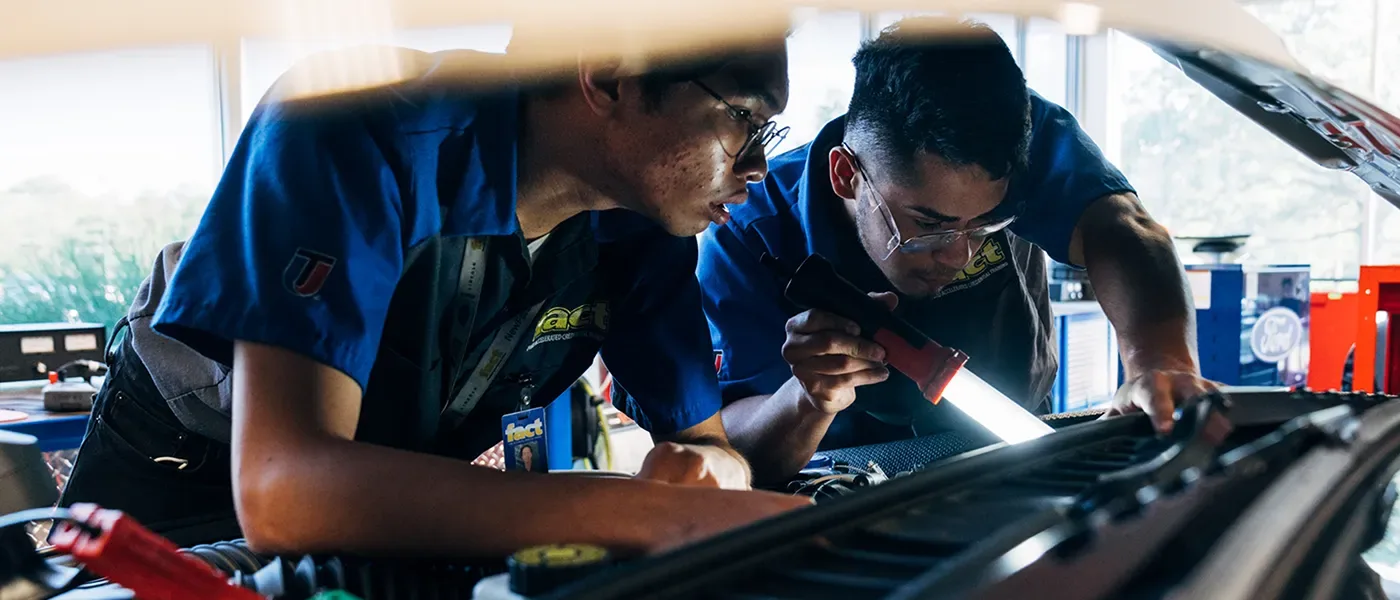
Automotive technicians work on cars day in and day out. This is a dynamic career and it’s anything but mundane. Depending on the environment they work in and the types of vehicles that come through their door, automotive technicians can do anything from completing routine maintenance services to performing entire engine replacements on a typical day.
They don’t spend their days buried in theory and books. They’re drawn to engines, diagnostics and evolving technology. They want to solve problems in real time. For people who prefer learning by doing rather than sitting through years of lectures, hands-on automotive training offers a more direct path.18
Prepare for a Future as an Automotive Technician
The automotive industry depends on skilled technicians to maintain and repair the millions of vehicles on the road today. With tens of thousands of job openings nationwide each year, trained automotive professionals continue to be needed across dealerships, repair facilities and fleet operations.
297 million+
Vehicles on the road in need of trained technicians55
69,000+
Estimated average annual automotive job openings in the U.S.41


Careers You Could Pursue After Automotive Technician Training
According to the U.S. Bureau of Labor Statistics (BLS), automotive technicians are in demand nationwide. Train for a career that keeps the U.S. moving.
Entry-Level
Roles UTI grads are prepared for:77
- Automotive technician
- Service writer
- Quick service technician
Advanced
Roles you may be able to pursue in time with hard work and experience:
- Service manager
- Master technician
- Fleet technician
- Drivability technician
- Diagnostic technician
- Heavy line technician
- Shop owner
Jobs UTI Auto Mechanic Students Landed After Graduation
See where training took them.6
Madison Conrad is living her dream after taking NASCAR courses at UTI Mooresville.
Working his way up as a Munday Chevrolet apprentice.
From Hawaii to Arizona, EJ Maltezo gains the confidence to be a Toyota tech.
What To Expect From Automotive Technician Training at UTI
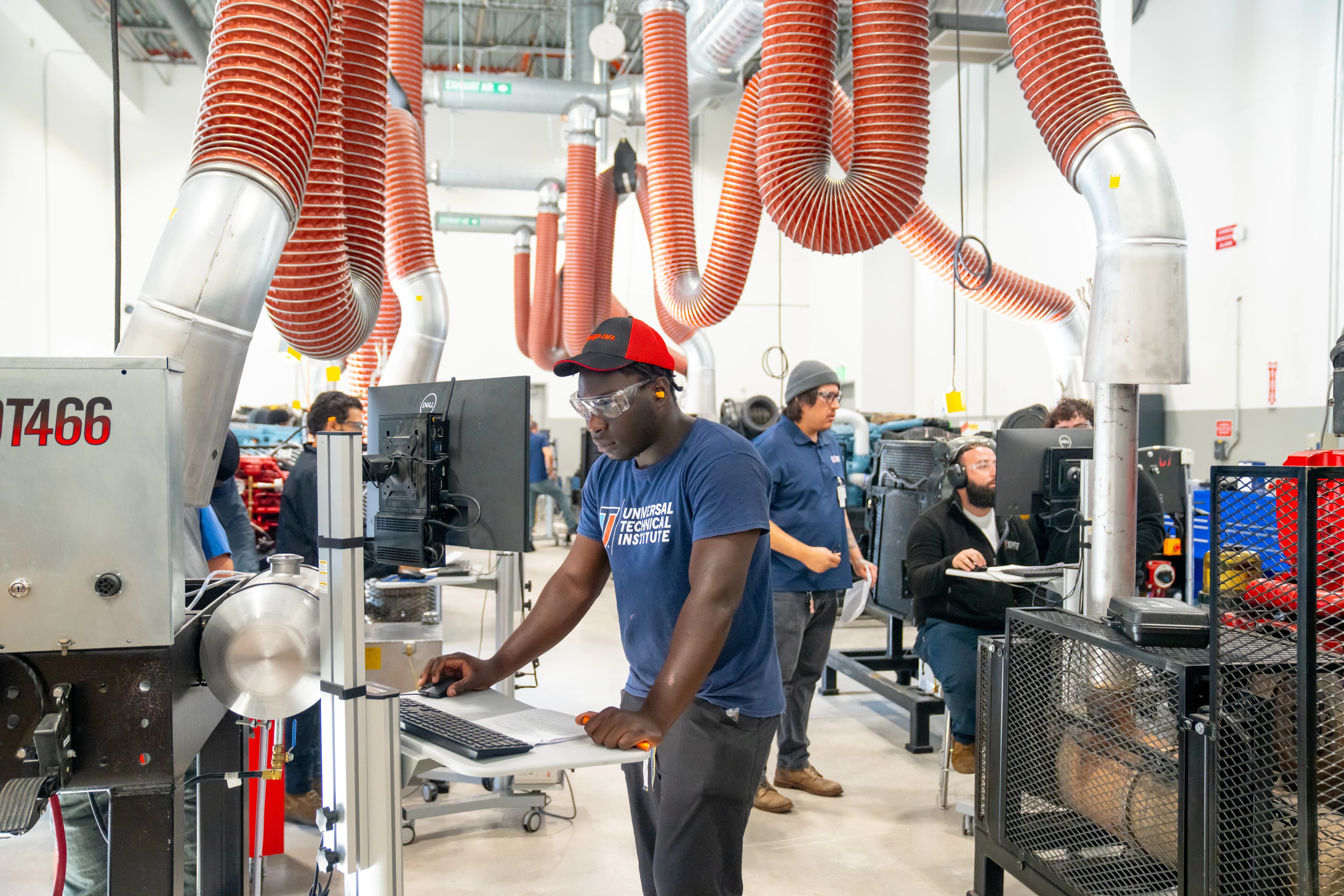
Our car mechanic school features a blended-learning model, which combines instructor-led online training with hands-on application in the lab. This training provides more flexibility for you as a student and also prepares you for the type of continued training experienced in the field.
While our Automotive program is not an online mechanic school, students typically spend about half their day completing online coursework and about half in the lab.
51 weeks
6 programs

Tool Up With Snap-on®
Eligible graduates can receive a Snap-on® Career Starter Tool Set Voucher, and full-time students can access student discounts, helping them build their professional tool collection as they prepare for opportunities in the industry.19
UTI Automotive Mechanic Classes
Your courses will align with the industry's needs to help you build career-ready skills. While exact courses vary by campus, topics covered can include:33
Specialized Automotive Technician Training
Go beyond the basics. At UTI, you can train on vehicles from leading manufacturers in the industry. Programs designed with these industry leaders mimic the real-world workflows of each brand.
Once you've completed your core mechanic school program, you can apply to train with the manufacturer of your choice.11











Mechanic ASE Certification Training
UTI's Automotive Technician training program is accredited by the ASE Education Foundation, a division of the National Institute for Automotive Service Excellence (ASE).16
Graduates of the program are well prepared to complete ASE examinations and can substitute their training for one year of the two years of experience required to test to become ASE certified.
UTI Auto Mechanic School Locations
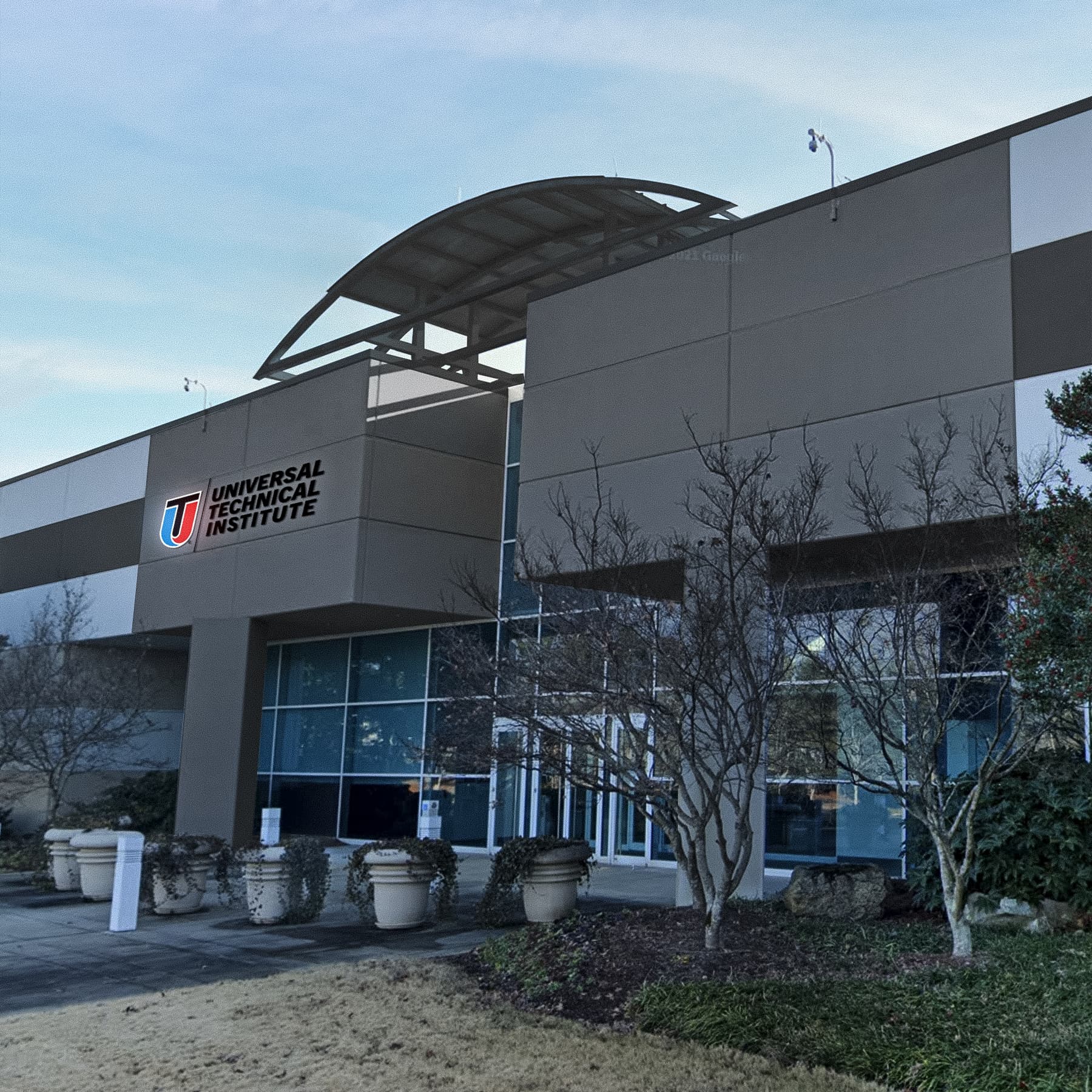
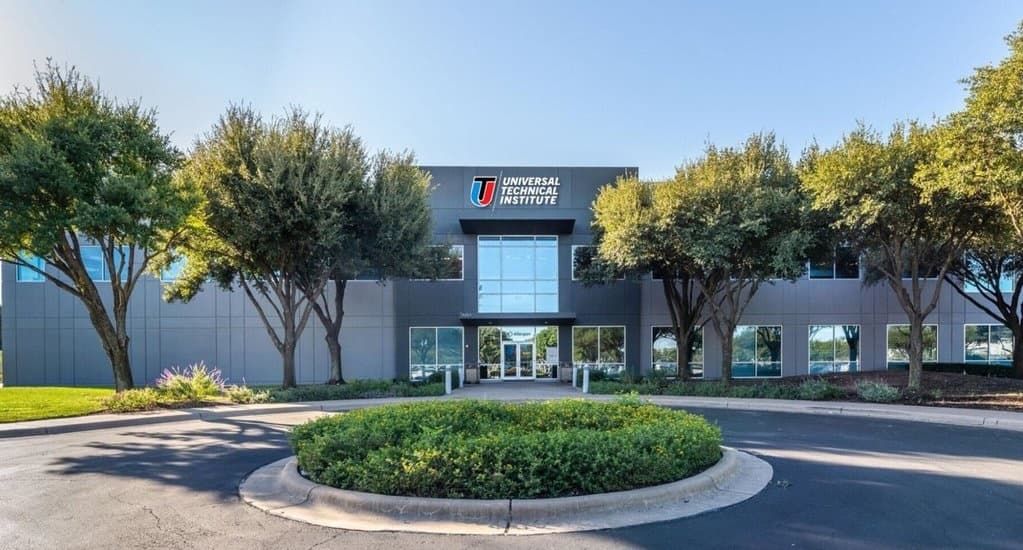
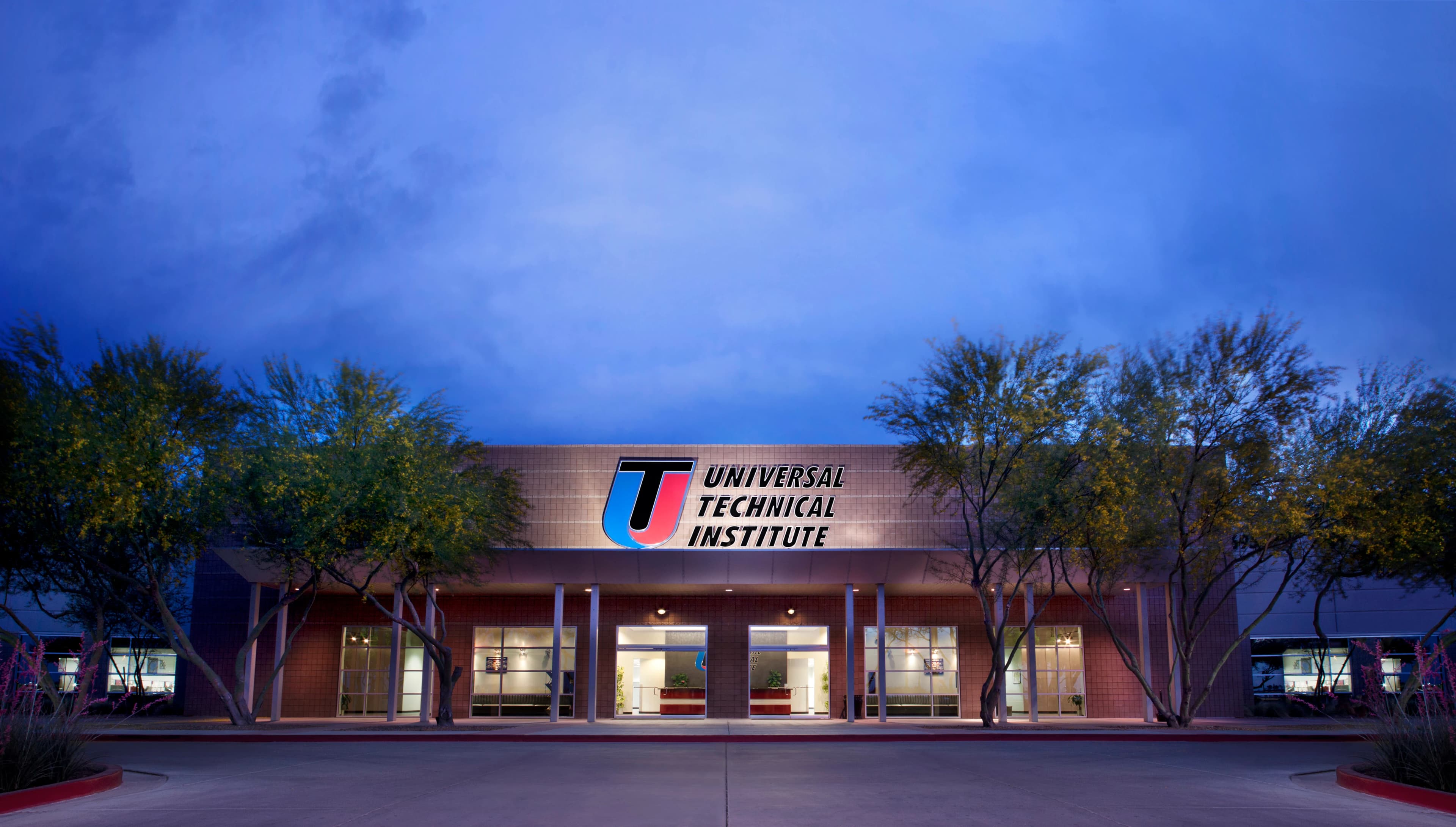
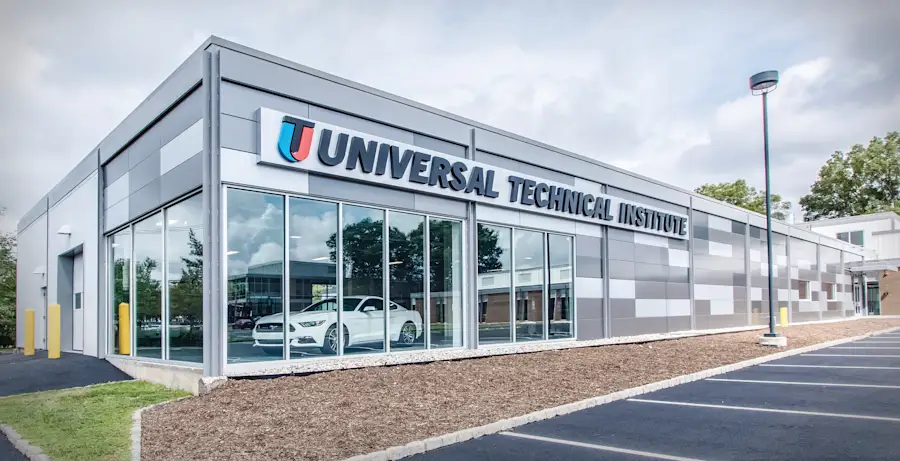
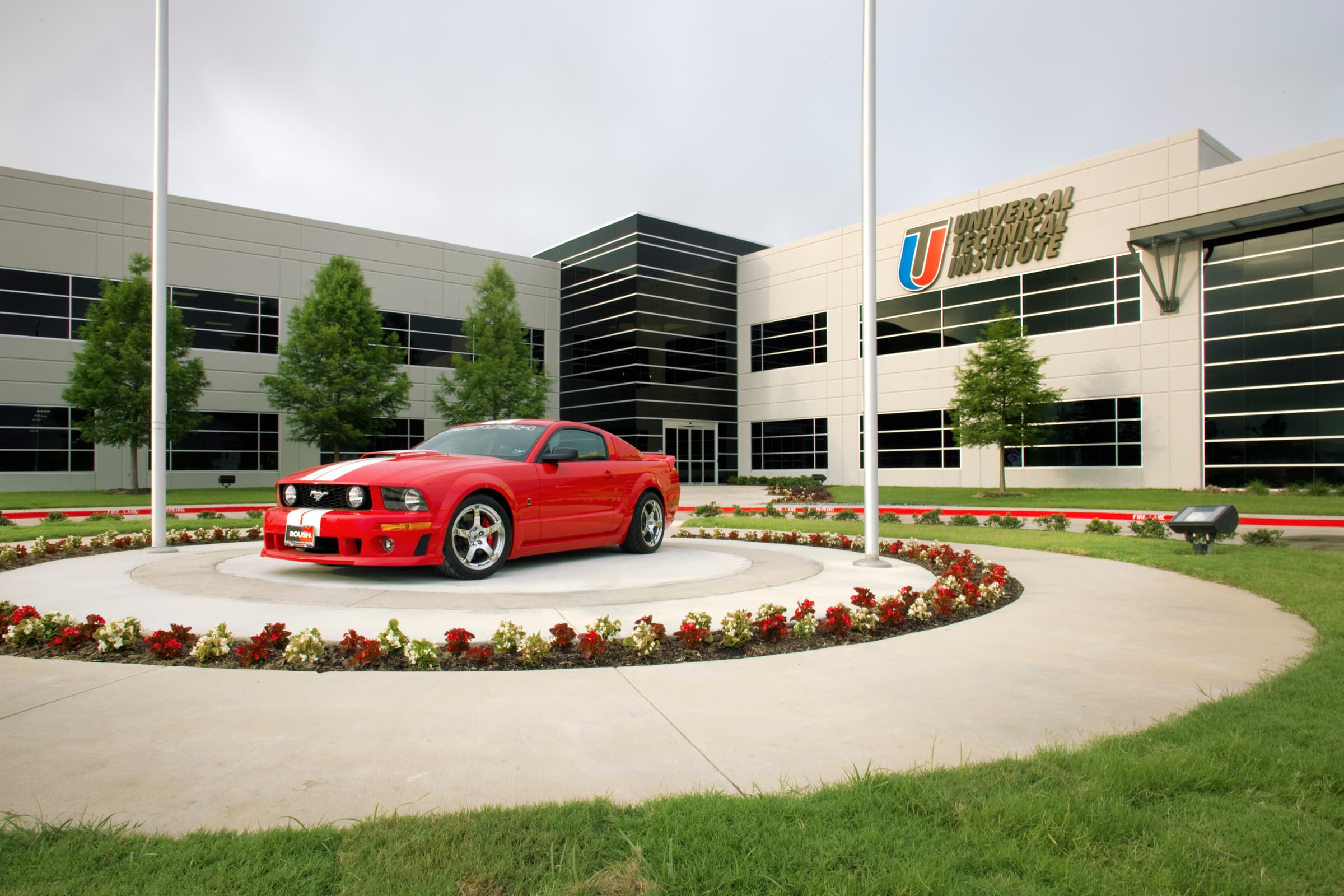
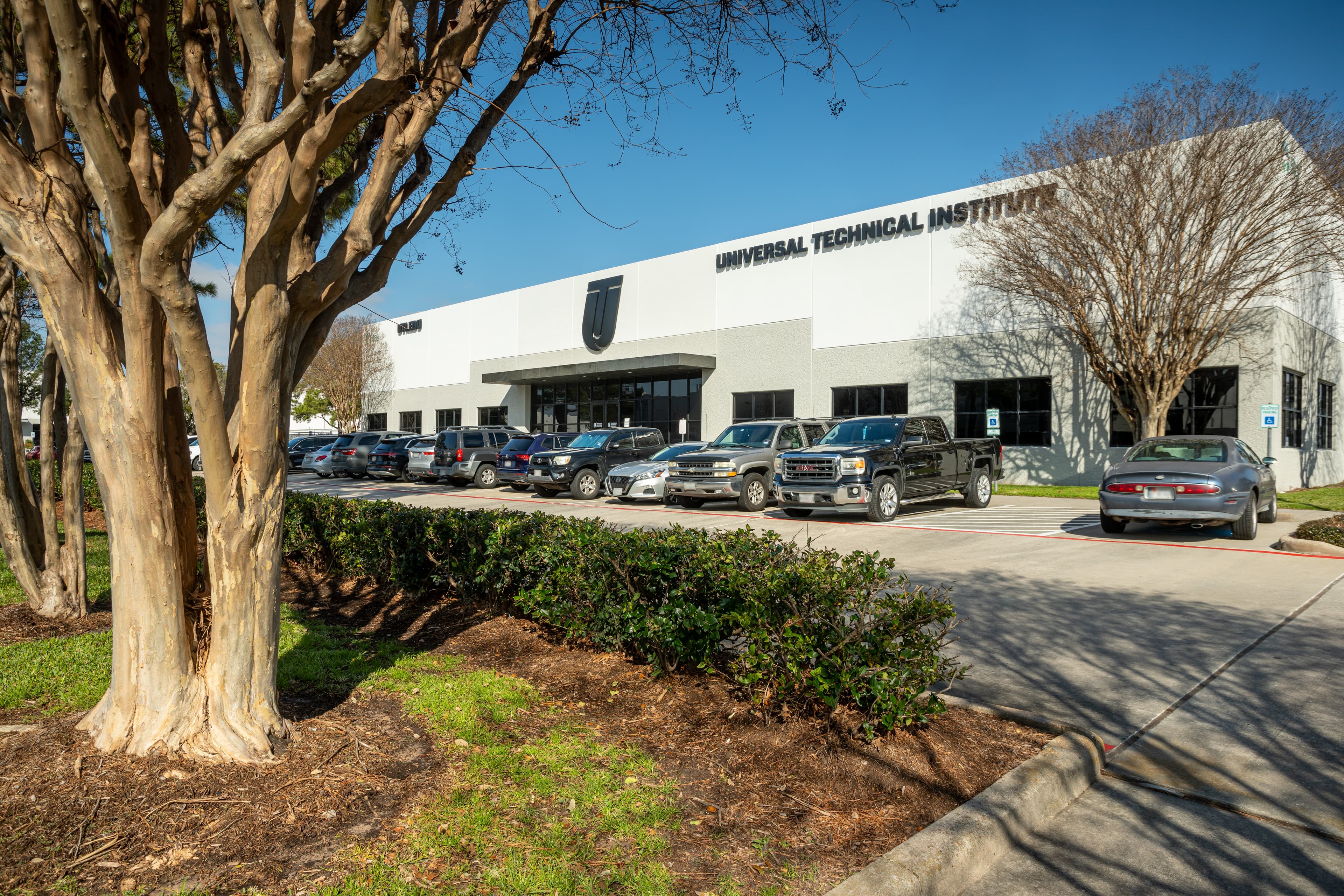
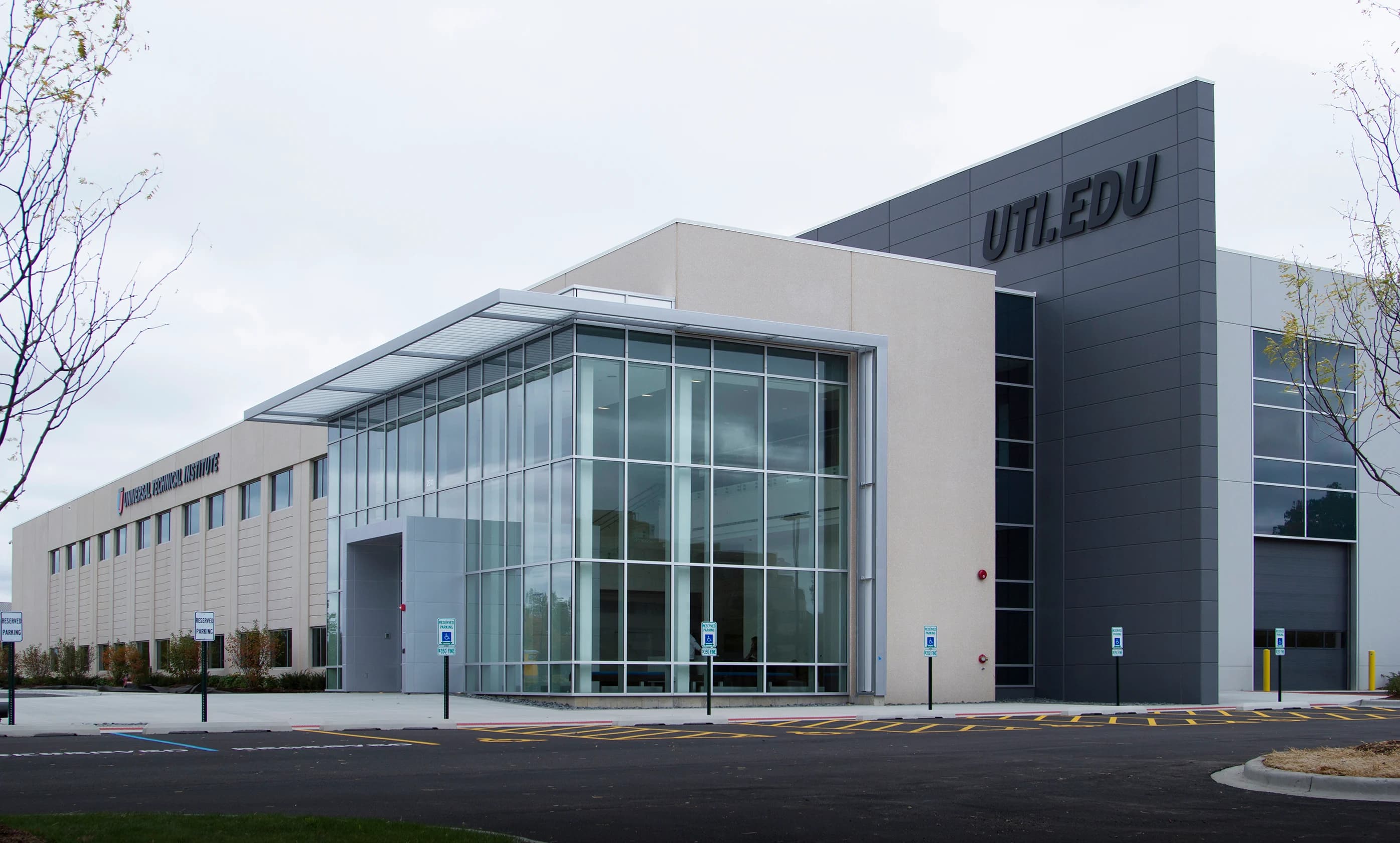
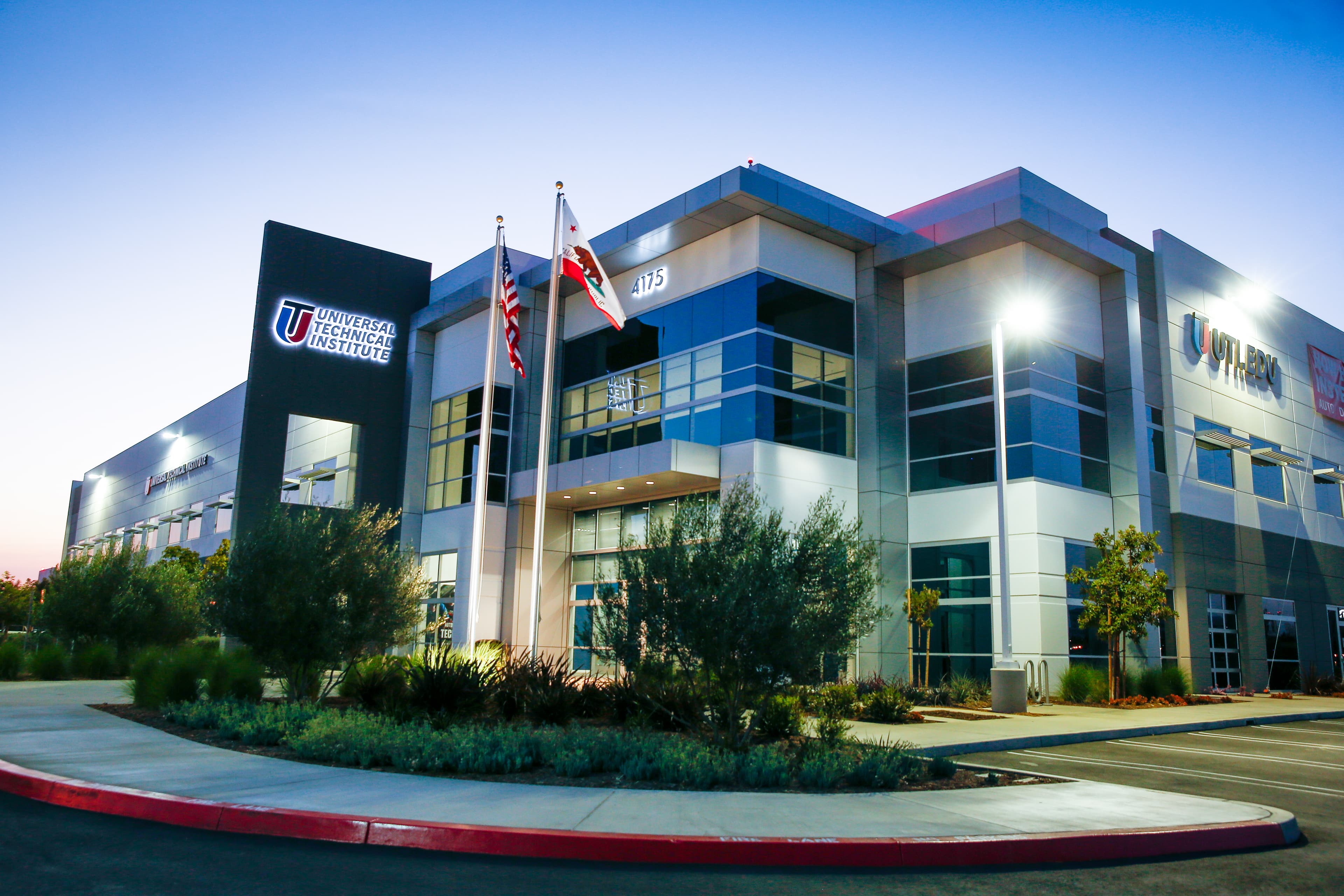
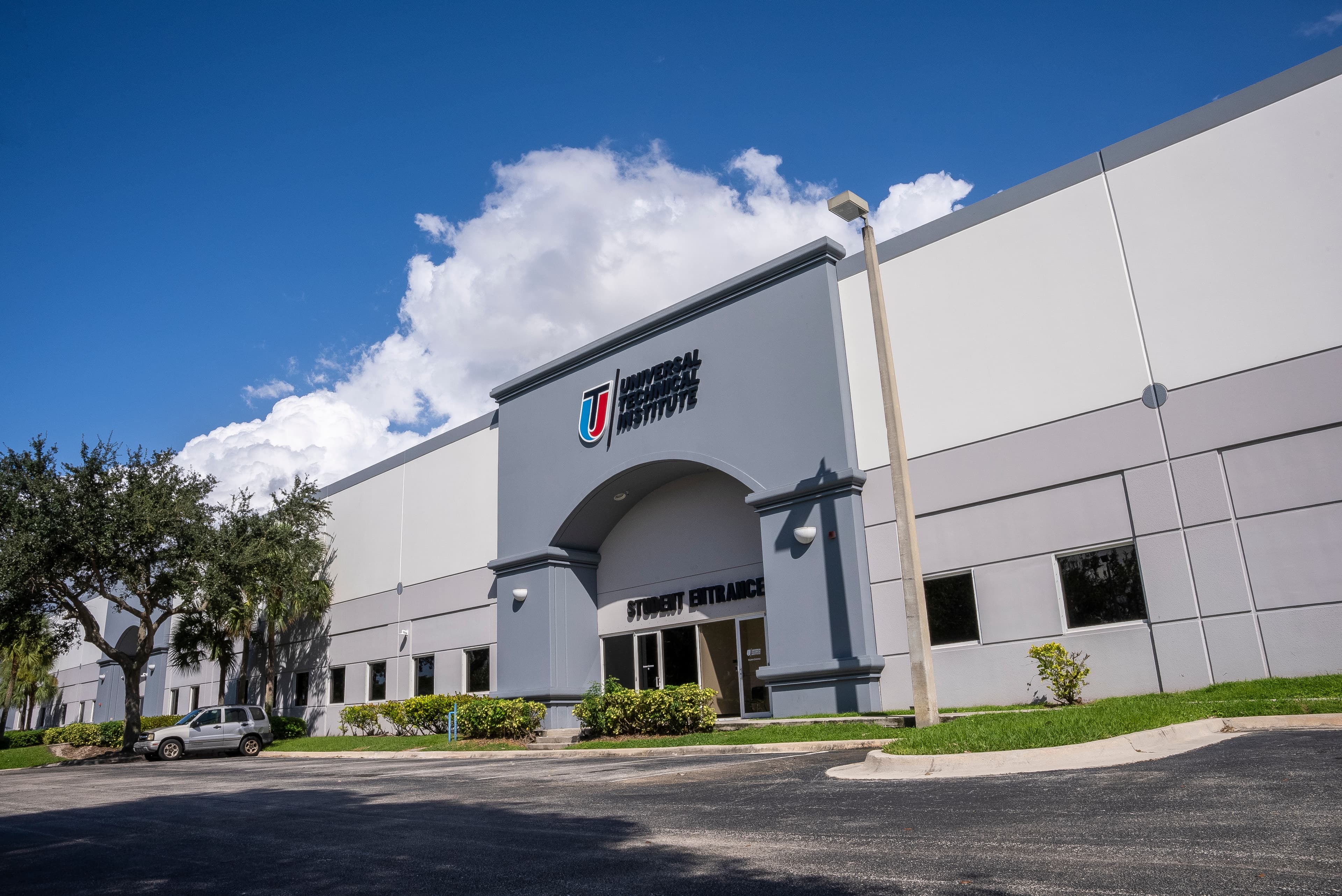
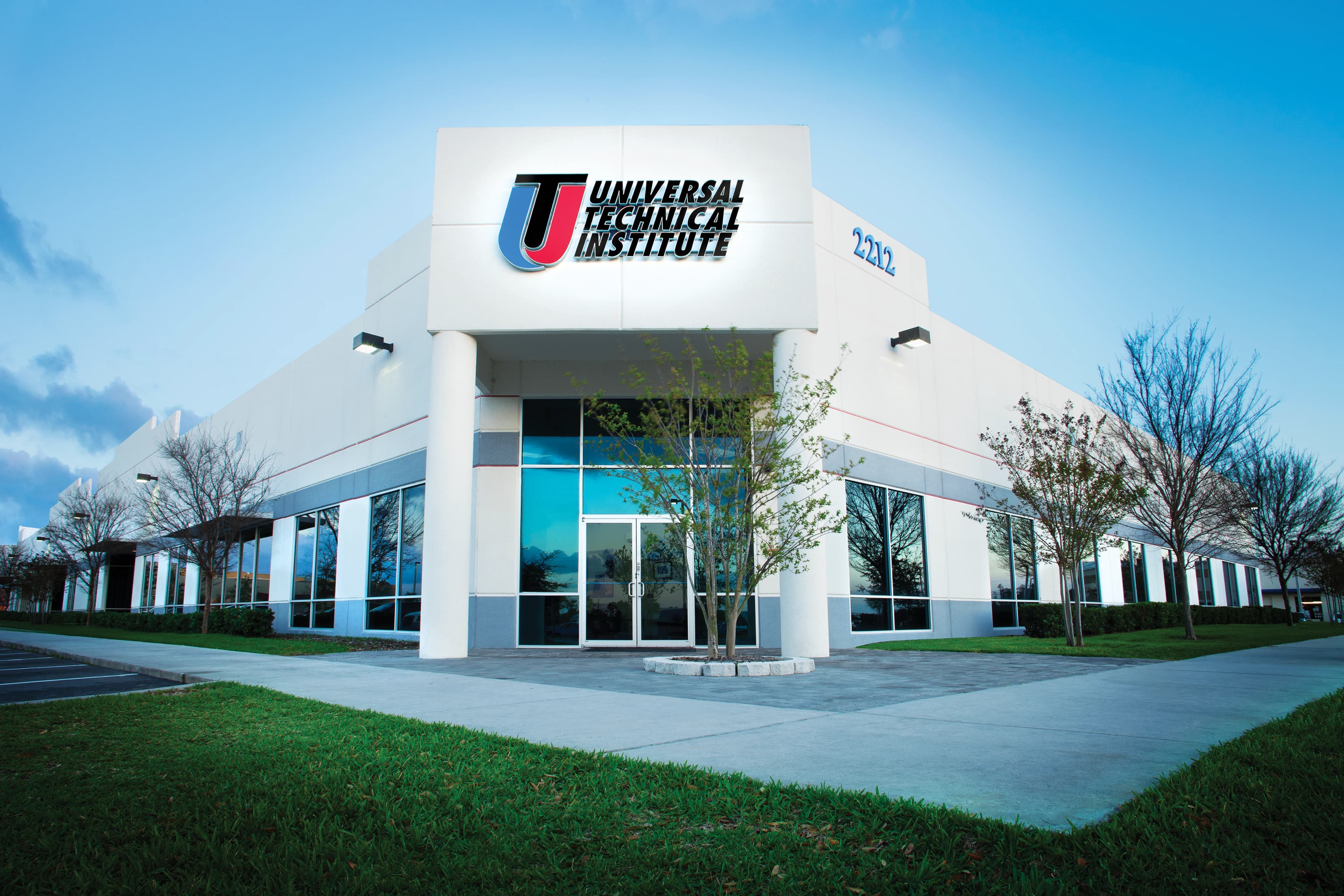
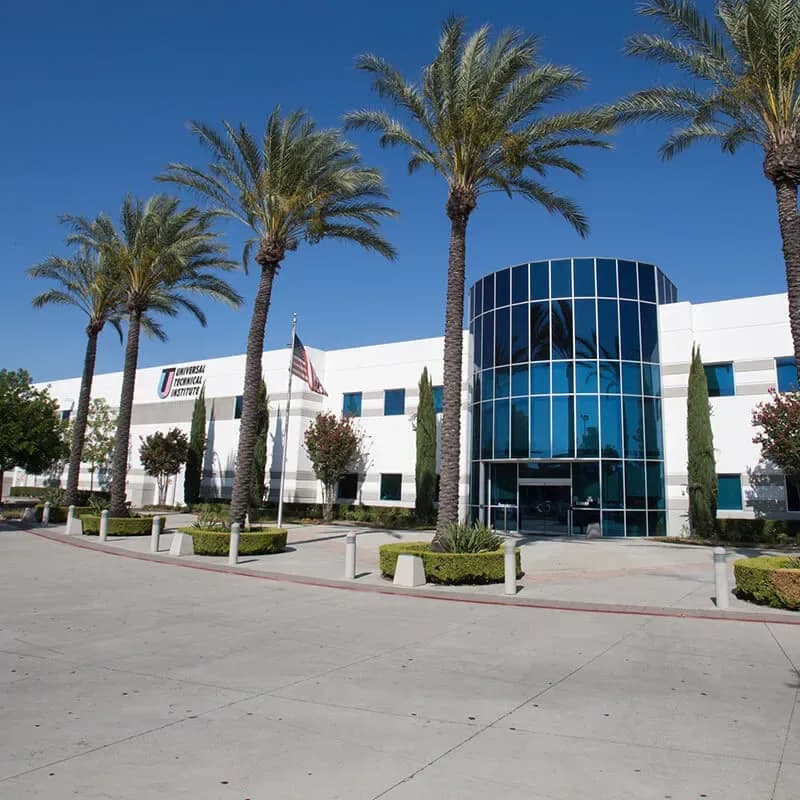
Automotive technician training is offered at UTI campuses across the country. Whether you live a few miles away or in a different state, we have a school for you.
VA benefits may not be available at all locations.




Will You Help Me Look For a Job?
UTI teams with nationwide employers to help students nearing graduation search, apply and interview for jobs in their field. Some students even have jobs lined up before they graduate. Here’s how we’ll help:
- Professional résumé development
- Interview training techniques
- Access to a nationwide job database
- On-campus interviews
- Career networking events
- Career advancement services as an alumnus
How Much Is Auto Mechanic School at UTI?
Each campus provides a detailed cost breakdown outlining tuition and estimated living expenses so you can review your total cost before any financial aid you may qualify for.10 Our Financial Aid team is available to help you review your options and plan accordingly.
Train for the Future
The skills and knowledge gained at Universal Technical Institute’s mechanic school can help prepare students for careers. Be proactive about your future and learn more today.
Request Info